Gloves
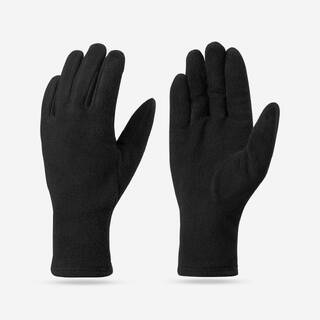
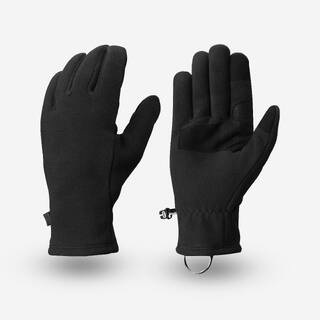


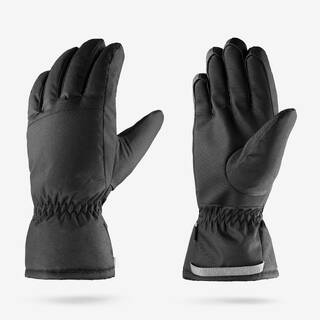

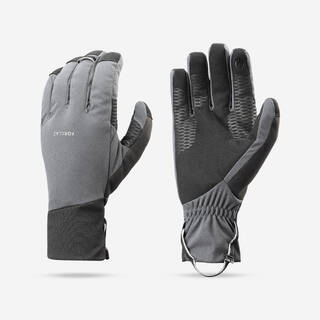








Technical Glove Construction for Multi-Sport Indian Conditions
Gloves function as biomechanical interfaces between human grip mechanics and equipment surfaces. Decathlon engineers gloves across cycling, hiking, gym training, and winter sports using domain-specific palm materials. Cycling gloves deploy synthetic leather or clarino microfiber palms with 2-4mm gel padding zones positioned under ulnar and median nerve pressure points. Gym gloves use open-finger designs with 6-8mm neoprene padding across metacarpal heads, allowing direct bar contact for proprioceptive feedback during Olympic lifts. Hiking gloves integrate ripstop nylon shells (40-60 denier) with DWR coatings rated to 1500mm hydrostatic head for monsoon trail protection.
Indian athletes encounter extreme thermal and humidity variables. Summer road cycling in Delhi or Mumbai generates palm sweat rates exceeding 200ml per hour. Decathlon cycling gloves counter this through laser-perforated synthetic leather and moisture-wicking polyester liners that maintain coefficient of friction above 0.6 even when saturated. Winter trekking gloves for Himalayan routes use Thinsulate insulation (40-100 gram weights) combined with windproof softshell outer layers. Gym training gloves prioritize ventilation over insulation, using open-back mesh panels and terry cloth thumb wipes for mid-set sweat management during high-repetition accessory work.
Cycling Glove Padding Geometry and Vibration Damping
Road vibration transmitted through handlebars generates cumulative microtrauma to palmar digital nerves. Decathlon cycling gloves (Btwin, Van Rysel, Rockrider sub-brands) position 3-5mm EVA or silicone gel pads in anatomically mapped zones. Ulnar nerve protection requires padding along the hypothenar eminence (pinky side base). Median nerve protection demands gel placement under the thenar eminence (thumb base). High-frequency road buzz (12-18 Hz from rough tarmac) gets attenuated by dual-density foam layers: softer 30-durometer gel for initial impact absorption, backed by firmer 50-durometer EVA for structural support.
Mountain biking gloves (Rockrider) extend padding coverage to knuckles and finger backs using 2mm closed-cell foam panels. This guards against branch strikes and trail debris impacts common on Nandi Hills, Lonavala, or Manali singletrack. Full-finger MTB gloves use touchscreen-compatible synthetic leather on index fingers and thumbs, allowing GPS navigation and camera operation without glove removal. Velcro wrist closures provide 40-60mm adjustment range to accommodate Indian wrist circumferences from 140mm to 200mm. Pull-tab loops enable single-handed removal after rides.
Gym Training Gloves: Grip Enhancement and Callus Management
Barbell knurling depth (0.8-1.2mm aggressive patterns on Olympic bars) creates friction but also shear stress on palmar skin. Domyos gym gloves use dual-layer construction: outer synthetic leather (0.8-1.0mm thickness) distributes load, while inner foam padding (4-6mm neoprene) cushions metacarpal heads during heavy pulling movements. Open-finger designs (fingers exposed from first knuckle) maintain tactile sensitivity for hook grip in deadlifts or mixed grip in rows. This design prevents glove material bunching inside the hand, which would increase effective bar diameter and compromise grip strength.
Wrist support integration varies by training style. Powerlifting-focused gloves extend 80-100mm up the forearm with elastic or neoprene wraps, providing mild wrist extension support during pressing movements. Bodybuilding and CrossFit gloves use minimal wrist coverage (30-40mm) to preserve wrist mobility for kettlebell snatches or Olympic lifting variations. Palm ventilation comes from mesh gussets between fingers and perforated leather panels. Indian gym environments often lack climate control, so moisture management prevents bacterial growth and material degradation. Machine-washable construction allows weekly cleaning cycles without structural breakdown.
Hiking and Trekking Glove Insulation Layering Systems
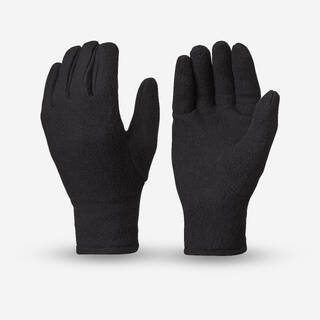
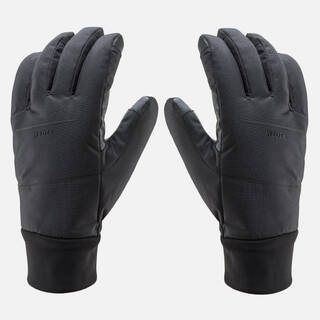
High-altitude trekking in Ladakh, Spiti, or Uttarakhand exposes hands to sub-zero temperatures combined with low humidity and high UV radiation. Quechua and Forclaz trekking gloves use modular insulation strategies. Liner gloves (100-120 GSM merino wool or synthetic blends) provide base-layer warmth and can function independently during moderate exertion phases. Outer shell gloves add windproof softshell fabric (3-layer laminate construction) with 5000mm waterproof ratings and taped seams. This layering allows thermal regulation: wear liners alone during steep ascents when metabolic heat output is high, then add shells during rest stops or ridge traverses with high wind chill.
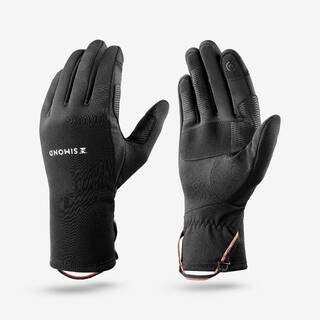
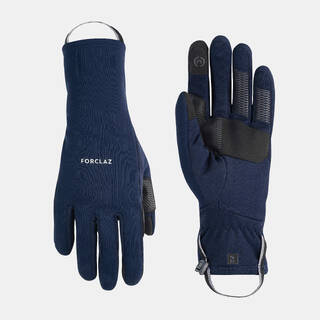
Grip security on trekking poles and rock scrambles requires textured palm overlays. Decathlon uses PU-coated synthetic leather with embossed patterns or silicone print grids that maintain friction coefficients above 0.7 on wet aluminum or granite surfaces. Articulated finger construction (pre-curved digit patterns) reduces grip fatigue during 6-8 hour trekking days. Gauntlet-style cuffs (extending 100-150mm above wrist) overlap jacket sleeves, creating sealed barriers against snow entry during winter treks. Elastic drawcords with barrel-lock adjusters provide one-handed tightening capability while wearing the gloves.
Material Durability and Maintenance Protocols for Indian Use
Synthetic leather palms degrade through abrasion cycles and UV exposure. Decathlon cycling and gym gloves use clarino or amara synthetic leather (0.6-1.0mm thickness) rated for 200-300 hours of active use before visible wear patterns emerge. Reinforcement stitching at high-stress zones (between thumb and index finger, across palm centerline) uses polyester thread with 40-50 Newton breaking strength. Double or triple-stitch patterns distribute tensile loads during heavy pulling or gripping. Indian road dust contains silica particles that accelerate abrasion, so post-ride cleaning extends glove lifespan. Hand-washing in lukewarm water with mild detergent removes embedded grit without degrading foam padding or adhesive bonds.
Storage conditions matter in humid coastal cities like Chennai or Kochi. Moisture trapped in padding layers promotes bacterial growth and material delamination. Air-drying gloves in shaded, ventilated areas (never direct sunlight, which degrades elastic and foam) maintains structural integrity. Gym gloves benefit from weekly washing cycles due to sweat saturation and chalk residue accumulation. Cycling gloves used in monsoon conditions require immediate drying after rides to prevent mildew formation in gel padding layers. Proper care protocols extend usable lifespan from 6 months to 12-18 months for regular training volumes (10-15 hours weekly use).
Sizing Precision and Fit Optimization Across Hand Morphologies
Hand circumference measured across knuckles (excluding thumb) determines base glove sizing. Decathlon sizing charts span 170mm (size S) to 230mm (size XXL), accommodating 95% of Indian adult hand dimensions. Proper fit requires snug contact across palm and fingers without restricting blood flow or causing pressure points. Cycling gloves should allow full finger flexion to operate brake levers and shifters without fabric bunching. Gym gloves need secure wrist closure to prevent rotation during pulling movements, but not so tight that they impede venous return during rest intervals between sets.
Finger length proportions vary independently of palm width. Some athletes have long fingers relative to palm size, requiring size adjustments or specific models with extended finger lengths. Decathlon offers standard and long-finger variants in cycling glove lines. Women-specific models account for narrower palm widths and shorter finger lengths common in female hand anthropometry. Trying gloves with the intended activity motion (gripping a barbell, holding handlebars, making a fist) reveals fit issues better than static hand placement. Seams should sit between fingers, not across knuckle joints where they would create friction hotspots during repetitive gripping cycles.
FAQ (Frequently Asked Questions)
Q1. Which Decathlon glove type works best for gym training versus cycling in Indian conditions?
Gym gloves (Domyos) use open-finger designs with 4-6mm neoprene padding across metacarpal heads for barbell work, prioritizing ventilation in non-air-conditioned gyms. Cycling gloves (Btwin, Van Rysel) feature full or half-finger construction with gel padding positioned under ulnar and median nerve zones, designed for vibration damping on rough Indian roads. Gym gloves focus on grip enhancement and callus prevention, while cycling gloves target nerve compression relief during long rides.
Q2. How do I measure my hand size correctly for Decathlon glove sizing?
Measure hand circumference across knuckles (excluding thumb) using a flexible tape measure. Wrap the tape around your dominant hand at the widest point across the four finger knuckles. Match this measurement to Decathlon sizing charts: 170-185mm typically fits size S, 185-200mm fits M, 200-215mm fits L, and above 215mm requires XL or XXL. For cycling gloves, also check finger length by measuring from wrist crease to middle finger tip.
Q3. Can cycling gloves be used for mountain biking on Indian trails like Nandi Hills or Lonavala?
Road cycling gloves work for light trail riding but lack knuckle and finger-back protection needed for technical MTB terrain. Rockrider mountain biking gloves add 2mm closed-cell foam panels across knuckles and finger backs to guard against branch strikes and rock impacts. Full-finger MTB gloves also provide better grip security on rough descents and include touchscreen-compatible fingertips for GPS operation during rides.
Q4. How often should gym gloves be washed to prevent odor and material breakdown?
Wash gym gloves weekly if training 4-5 times per week, or after every 3-4 sessions for lighter training volumes. Hand-wash in lukewarm water with mild detergent, focusing on palm areas where sweat and chalk accumulate. Air-dry in shaded, ventilated areas (never direct sunlight or heat sources). Weekly washing removes bacteria and embedded chalk particles that degrade synthetic leather and foam padding, extending glove lifespan from 6 months to 12-18 months.
Q5. What insulation weight do I need in trekking gloves for Himalayan winter treks?
Liner gloves with 100-120 GSM merino wool or synthetic insulation work for moderate exertion phases and temperatures down to 5-10°C. Add outer shell gloves with 40-100 gram Thinsulate insulation for sub-zero conditions in Ladakh, Spiti, or high-altitude Uttarakhand routes. Layering allows thermal regulation: wear liners alone during steep ascents, then add shells during rest stops or exposed ridge traverses with high wind chill.
Q6. Do gel padded cycling gloves actually reduce hand numbness on long rides?
Yes, when gel padding is anatomically positioned under ulnar nerve (pinky side) and median nerve (thumb base) pressure zones. Dual-density foam layers (soft 30-durometer gel over firm 50-durometer EVA) attenuate high-frequency road vibration (12-18 Hz) that causes cumulative nerve compression. Proper handlebar fit and varied hand positions also matter. Gloves alone cannot fix numbness caused by excessive weight on hands from incorrect saddle height or reach.
Q7. Can I use the same gloves for indoor gym training and outdoor cycling?
Not recommended due to conflicting design priorities. Gym gloves use open-finger designs and focus padding on metacarpal heads for barbell grip, while cycling gloves need full or half-finger coverage with gel positioned for nerve protection. Cycling gloves would bunch and rotate during heavy pulling movements, and gym gloves lack vibration damping for road riding. Using sport-specific gloves optimizes performance and durability for each activity.
Q8. How do I prevent synthetic leather palms from cracking in hot, dusty Indian conditions?
Clean gloves after every ride or training session to remove embedded dust and sweat salts that accelerate material breakdown. Hand-wash with mild detergent and air-dry away from direct sunlight, which degrades synthetic leather and adhesive bonds. Store in cool, dry locations (not in car trunks or direct heat). Apply leather conditioner sparingly to synthetic palms every 4-6 weeks if riding frequently in dusty conditions. Proper maintenance extends palm durability from 200 to 300+ hours of use.
Q9. What is the difference between Btwin, Van Rysel, and Rockrider cycling glove models?
Btwin offers entry-level road and hybrid cycling gloves with basic gel padding for recreational riders. Van Rysel targets performance road cycling with advanced gel positioning, lighter materials, and aerodynamic fit for long-distance or racing use. Rockrider focuses on mountain biking with full-finger protection, knuckle padding, and reinforced palms for trail riding. Choose based on riding discipline: Btwin for commuting, Van Rysel for road performance, Rockrider for off-road trails.
Q10. Are touchscreen-compatible gloves durable enough for regular training use?
Yes, Decathlon integrates conductive thread or coating into index finger and thumb tips without compromising durability. The conductive material is embedded in synthetic leather layers, not applied as a surface coating that wears off quickly. Touchscreen functionality allows GPS navigation, camera operation, and phone use during rides or treks without glove removal. Expect 200-300 hours of use before touchscreen sensitivity degrades, similar to overall glove lifespan.