Hiking and Trekking Clothing

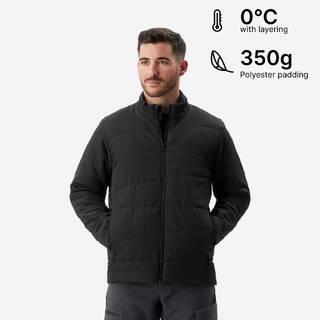
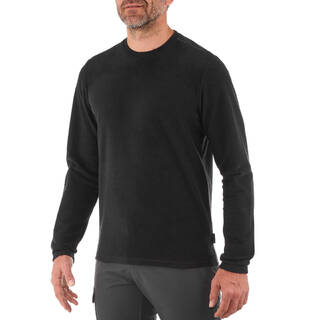

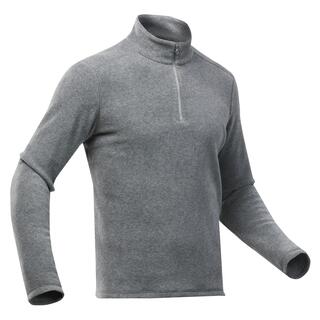

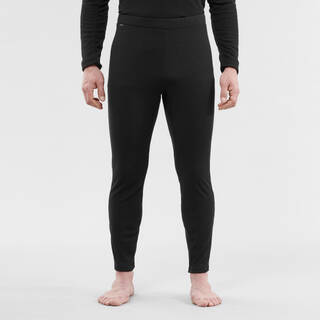
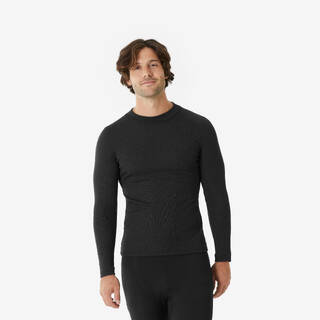
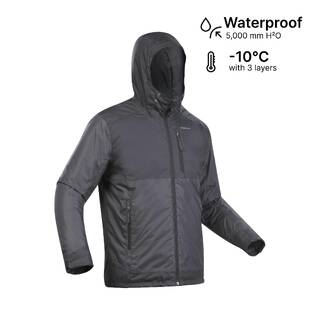
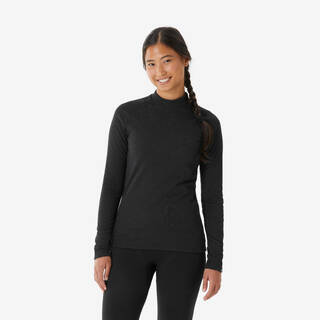
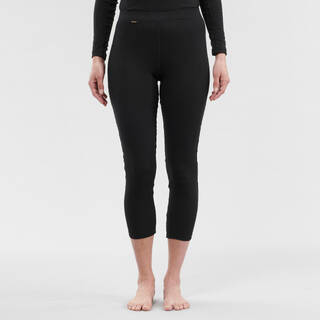


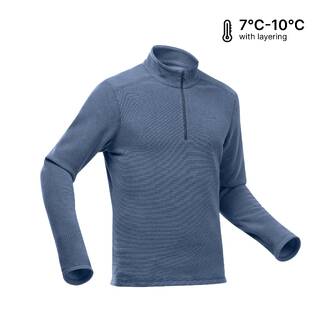


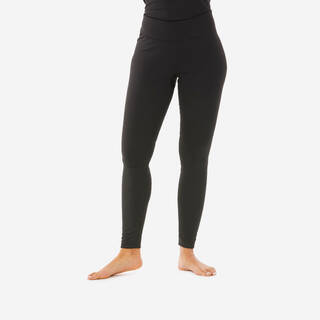
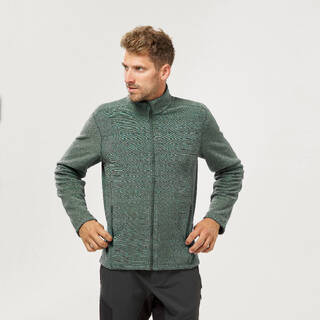
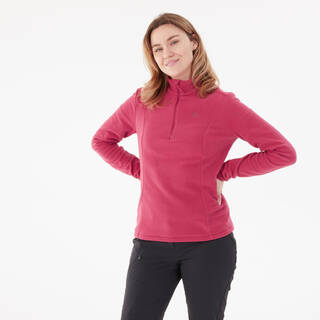
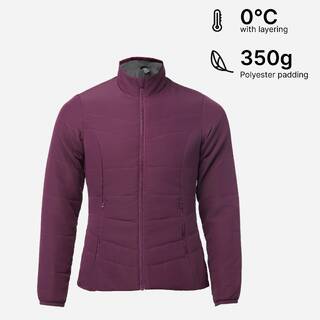
Quechua Technical Layering Systems for Himalayan and Western Ghat Altitude Zones
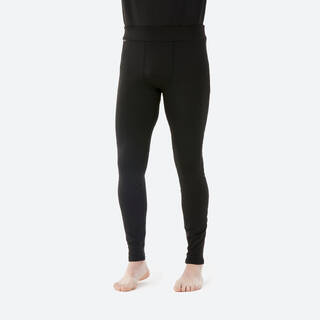
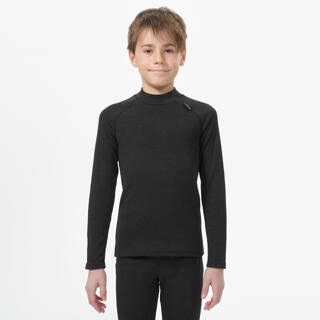
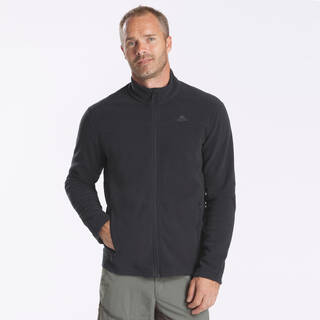
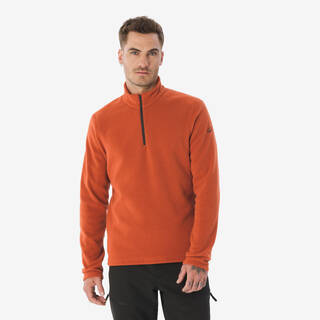
Quechua hiking apparel deploys a three-layer technical architecture calibrated for Indian high-altitude exposure and monsoon variability. Base layers use 100 to 120 GSM polyester circular knits with offset flatlock seams, eliminating friction zones along shoulder blade contact points and hip belt interfaces. Mid-layers integrate 140 to 180 GSM brushed fleece interiors with mechanical stretch elastane percentages ranging from 8 to 12 percent, allowing unrestricted arm reach during scrambling sections and pack adjustments. Outer shells employ 2.5-layer waterproof membranes rated to 5,000mm hydrostatic head minimums, with taped seam construction preventing moisture ingress during sustained Himalayan squalls or Sahyadri ridge crossings.
Thermal regulation hinges on fabric breathability measured in grams per square meter per 24 hours (g/m²/24h). Quechua base layers achieve 3,000 to 4,500 g/m²/24h moisture vapor transmission rates, accelerating sweat evacuation during steep ascents in humid Western Ghat microclimates. Mid-layer fleece constructions balance insulation with ventilation through grid-pattern interior textures, creating air pockets that trap body heat while maintaining airflow channels. This layering protocol supports temperature swings from pre-dawn alpine starts at 2°C to midday exposed ridge traverses exceeding 28°C, common across Roopkund, Hampta Pass, and Goechala trek profiles.
Durability benchmarks address abrasion from granite boulder scrambles and rhododendron thicket navigation. Reinforced panels use 210 to 240 denier ripstop polyester at elbow patches, shoulder yokes, and seat areas where pack friction concentrates. Articulated knee darts and gusseted crotch panels eliminate fabric tension during high-step maneuvers over Himalayan moraine fields. All Quechua trekking trousers integrate adjustable waist systems and ankle cinches, accommodating layered thermal tights underneath and sealing out trail dust on exposed Ladakh plateau crossings.
Forclaz Mountain Hardshell Construction for Monsoon and High-Wind Exposure
Forclaz hardshell jackets and trousers utilize 2.5 to 3-layer laminate constructions engineered for sustained rainfall and wind tunnel stability. Outer face fabrics range from 40 to 70 denier nylon ripstop, bonded to waterproof polyurethane membranes delivering 10,000 to 20,000mm hydrostatic head ratings. This specification withstands 6 to 8 hours of continuous monsoon precipitation common during July and August treks across Markha Valley, Pin Parvati, and Kedarkantha routes. Fully taped seams and waterproof YKK Aquaguard zippers prevent capillary wicking, maintaining dry microclimates against skin during multi-day exposure.
Wind resistance becomes critical above 3,500 meters where Himalayan jet stream effects generate gusts exceeding 60 km/h. Forclaz shells incorporate adjustable hood volumes with reinforced peak brims, maintaining forward visibility during whiteout conditions. Hem drawcords and Velcro cuff closures seal out spindrift and prevent updraft billowing. Pit zips and chest vents use two-way YKK coil zippers, enabling rapid thermal dumping during high-exertion ridge approaches without removing the shell layer entirely. This ventilation architecture proves essential on technical sections like the Stok Kangri summit push or Friendship Peak final ascent.
Packability and weight ratios matter for multi-week expeditions. Forclaz ultralight shells compress into integrated stuff sacks measuring 15 x 20 cm, fitting inside pack lid compartments or hip belt pockets. Fabric weights range from 180 to 280 GSM for full-featured storm shells, balancing protection with pack load management. Reinforced shoulder panels distribute 12 to 18 kg pack loads without membrane delamination, a failure mode common in budget shells after 40 to 50 hours of loaded trekking.
Moisture Management and Odor Control for Multi-Day Himalayan Circuits
Extended treks without daily washing access demand fabrics engineered for bacterial resistance and accelerated drying. Quechua and Forclaz base layers integrate silver ion or polygiene antimicrobial treatments, disrupting odor-causing bacteria proliferation across 5 to 7 day wearing cycles. Polyester and merino wool blends (70/30 ratios) combine synthetic wicking speed with wool's natural odor suppression, critical for close-quarters teahouse lodging on Annapurna Base Camp or Everest Base Camp itineraries.
Drying speed correlates directly to fabric GSM and weave density. Lightweight 100 GSM synthetic tees dry completely within 3 to 4 hours when hung inside unheated mountain huts at 3,000 meters altitude, where ambient temperatures hover around 8 to 12°C. Heavier 160 GSM mid-layers require 6 to 8 hours, necessitating rotation strategies for consecutive high-exertion days. Flatlock seam construction eliminates moisture traps at stitch lines, preventing chafe during the 6 to 9 hour daily trekking windows typical of Chadar Frozen River or Rupin Pass crossings.
Sweat saturation thresholds become apparent during monsoon humidity spikes exceeding 85 percent relative humidity. Hydrophobic polyester fibers repel liquid water while transporting vapor, maintaining skin dryness even when exterior fabric surfaces appear saturated. This phase-change behavior prevents the clammy sensation associated with cotton garments, which absorb 7 to 10 times their dry weight in moisture and lose all insulating capacity when wet.
Thermal Insulation Strategies for Alpine Camps and High-Altitude Rest Stops
Quechua insulated jackets deploy synthetic fill or down insulation calibrated to specific temperature ranges and activity profiles. Synthetic polyester fills ranging from 100 to 180 GSM maintain loft integrity when damp, critical for monsoon-season treks where complete dryness proves impossible. Down insulation (650 to 800 fill power) delivers superior warmth-to-weight ratios for dry alpine environments, compressing into minimal pack volumes. A 700 fill power down jacket weighing 320 grams provides equivalent insulation to a 580 gram synthetic equivalent, meaningful savings on technical climbs like Nun Kun or Satopanth.
Baffle construction prevents fill migration and cold spot formation. Box-wall baffles create discrete compartments, maintaining uniform loft distribution across torso and sleeve sections. Offset stitching patterns eliminate through-seams where needle holes compromise thermal barriers. Hem lengths extending below hip bones protect core temperature during stationary periods at high camps, where radiant heat loss accelerates in sub-zero predawn temperatures common above 4,500 meters.
Insulated trousers and booties address lower body heat retention often neglected in layering systems. Quechua insulated pants use 60 to 100 GSM synthetic fills in quilted patterns, worn over base layer tights during evening camp hours. Side zippers enable donning without removing boots, practical for cramped tent vestibules. Down booties with 80 GSM fill and reinforced soles provide camp footwear, preventing conductive heat loss through tent floors and maintaining circulation in extremities vulnerable to frostbite above 5,000 meters.
Fit Profiles and Articulation for Technical Scrambling and Loaded Pack Dynamics
Trekking apparel fit must accommodate 12 to 18 kg pack loads and full range-of-motion demands during Class 2 and Class 3 scrambling terrain. Quechua jackets use articulated sleeve patterns with pre-curved elbow darts, eliminating fabric bunching when arms extend overhead during boulder mantles or fixed rope sections. Raglan shoulder construction shifts seam lines away from pack strap pressure points, preventing abrasion and hotspot formation during 8 to 10 hour loaded days.
Trouser rise and inseam proportions address Indian body dimensions often underserved by European cut patterns. Forclaz trekking pants offer regular and short inseam options, with adjustable hem systems accommodating 28 to 34 inch leg lengths without alterations. Gusseted crotch panels add 4 to 6 cm of fabric, preventing groin tension during high-step moves over Himalayan boulder fields. Articulated knee shaping uses curved pattern pieces that match natural leg flexion, reducing fabric drag and improving pedaling efficiency during approach bike rides to trailheads.
Women-specific cuts account for hip-to-waist ratios and torso length differences. Quechua women's shells use shorter torso patterns with shaped waist seams, preventing excess fabric pooling that creates pack interference. Chest pocket placements avoid sternum strap crossings, and sleeve lengths accommodate proportionally shorter arm measurements. These fit refinements eliminate the need for constant adjustment during technical sections, maintaining focus on route finding and foot placement rather than gear management.
Care Protocols and Longevity Benchmarks for Waterproof Membrane Systems
Waterproof breathable membranes require specific maintenance to preserve hydrostatic head ratings and vapor transmission rates. Forclaz and Quechua shells should be washed every 15 to 20 wearing days using technical fabric detergents that remove body oils without damaging polyurethane laminates. Standard laundry detergents leave residue that clogs membrane pores, reducing breathability by 30 to 50 percent and causing interior condensation during high-output trekking.
Durable water repellent (DWR) coatings on outer fabrics degrade through abrasion and UV exposure, typically requiring reapplication after 40 to 60 hours of field use. When water no longer beads on fabric surfaces and instead saturates the face layer, breathability declines as the membrane cannot expel vapor through wet fabric. Spray-on or wash-in DWR treatments restore surface tension, extending shell lifespan by 2 to 3 seasons. Heat reactivation using a tumble dryer on low settings or iron on synthetic settings (no steam) helps DWR molecules rebond to fabric fibers.
Storage practices impact long-term performance. Compressed shells stored in stuff sacks for extended periods develop permanent creases that compromise membrane integrity. Hanging storage in cool, dry locations away from direct sunlight prevents delamination and maintains fabric elasticity. Zippers benefit from periodic lubrication using silicone-based products, preventing tooth corrosion from salt sweat deposits common in high-exertion Himalayan treks. Properly maintained technical shells deliver 150 to 200 days of field use before requiring replacement, representing significant value over budget alternatives failing after 30 to 50 days.
FAQ (Frequently Asked Questions)
Q1. What are the best fabrics for hiking and trekking clothing?
The best fabrics for hiking and trekking clothing are those that are breathable, moisture-wicking, and quick-drying. Some popular choices include polyester, nylon, and merino wool, which help regulate body temperature and prevent discomfort from sweat buildup.
Q2. How should hiking and trekking clothing fit?
Hiking and trekking clothing should fit comfortably without being too loose or too tight. Loose clothing can catch on branches or restrict movement, while overly tight garments can limit circulation and range of motion. Look for pieces that allow for a full range of movement without excessive bagginess.
Q3. What features should I look for in hiking and trekking pants?
When choosing hiking and trekking pants, look for features like reinforced knees or seats for added durability, zippered pockets for secure storage, and adjustable waistbands or cuffs for a customized fit. Quick-drying and moisture-wicking fabrics are also essential for comfort and performance.
Q4. How do I care for my hiking and trekking clothing?
Proper care is crucial for maintaining the performance and longevity of your hiking and trekking clothing. Follow the care instructions on each garment's label, use a mild, sport-specific detergent, avoid fabric softeners, and air-dry or tumble-dry on low heat. Store your gear in a cool, dry place away from direct sunlight or heat sources.
Q5. Can I wear cotton for hiking and trekking?
Cotton is generally not recommended for hiking and trekking clothing, as it absorbs and retains moisture, which can lead to discomfort and chafing. Instead, opt for synthetic fabrics like polyester or nylon, or natural fibers like merino wool, which wick away moisture and dry quickly.
Q6. What are the benefits of layering for hiking and trekking?
Layering is essential for hiking and trekking because it allows you to adjust your insulation and ventilation as needed. A base layer wicks away moisture, a mid-layer provides insulation, and an outer layer protects against wind, rain, and other elements. Layering also allows you to add or remove layers as your activity level or weather conditions change.
Q7. How do I choose the right hiking and trekking jacket?
When choosing a hiking and trekking jacket, consider the climate and conditions you'll be facing. For wet or rainy conditions, look for a waterproof and breathable jacket with taped seams. For cooler temperatures, an insulated jacket with a water-resistant outer layer is ideal. Features like adjustable hoods, pit zips, and zippered pockets can also enhance functionality.
Q8. Can I wear hiking and trekking clothing for other outdoor activities?
Absolutely! The breathable, moisture-wicking, and durable nature of hiking and trekking clothing makes it suitable for a variety of outdoor activities, such as camping, climbing, and even casual wear. The versatility of these garments allows you to get the most out of your investment.
Q9. How often should I replace my hiking and trekking clothing?
The lifespan of your hiking and trekking clothing depends on several factors, including the frequency of use, the intensity of your activities, and how well you care for the garments. As a general rule, it's a good idea to replace heavily worn or damaged pieces to ensure optimal performance and safety. With proper care and maintenance, high-quality hiking and trekking clothing can last for several seasons.
Q10. What are the advantages of shopping for hiking and trekking clothing at Decathlon?
At Decathlon, we offer a wide range of high-quality hiking and trekking clothing at affordable prices. Our team of experts carefully selects and curates our collection to ensure you have access to the latest technologies and features. Additionally, our commitment to sustainability means you can shop with confidence, knowing that many of our products are made from recycled or eco-friendly materials.
Q11. What GSM weight should I choose for trekking shirts in Himachal and Uttarakhand during summer months?
Select 100 to 120 GSM polyester base layers for May through September Himalayan treks. This weight range provides adequate moisture wicking during steep ascents while drying within 3 to 4 hours at high-altitude camps. Heavier 140 to 160 GSM options suit shoulder seasons (April and October) when morning temperatures drop below 5°C.
Q12. How do I determine the correct waterproof rating for monsoon trekking in Western Ghats versus Himalayas?
Western Ghat monsoon treks require minimum 5,000mm hydrostatic head ratings due to sustained 6 to 8 hour rainfall exposure. Himalayan treks benefit from 10,000mm or higher ratings, as afternoon thunderstorms combine heavy precipitation with wind-driven rain that tests seam integrity. Always verify fully taped seams and waterproof zippers for either environment.
Q13. Can I use the same trekking pants for Ladakh high-altitude deserts and Kerala monsoon trails?
No, these environments demand different fabric specifications. Ladakh requires lightweight, quick-dry fabrics (120 to 140 GSM) with high UV resistance for exposed plateau crossings. Kerala monsoon trails need water-resistant or waterproof trousers (180 to 220 GSM) with reinforced knees for leech-prone vegetation. Consider owning both for year-round trekking versatility.
Q14. What is the difference between Quechua and Forclaz trekking clothing lines?
Quechua targets day hikes and weekend treks with versatile, moderate-durability fabrics suitable for established trails. Forclaz focuses on multi-day expeditions and technical routes, using higher denier ripstop fabrics (210D+), reinforced stress points, and advanced waterproof membranes (10,000mm+). Forclaz gear typically weighs 15 to 20 percent more but delivers extended durability for rugged Himalayan terrain.
Q15. How many layers do I need for a typical 5-day Himalayan trek reaching 4,500 meters?
Pack a three-layer system: one 100-120 GSM wicking base layer, one 160-180 GSM fleece mid-layer, and one waterproof shell rated to 10,000mm minimum. Add an insulated jacket (synthetic or down) for camp and summit push. This combination handles temperature swings from 2°C predawn starts to 25°C midday exposure, typical of Kedarkantha, Brahmatal, or Hampta Pass routes.
Q16. Do trekking clothes with antimicrobial treatment really prevent odor during week-long treks without washing?
Yes, silver ion or polygiene treatments disrupt bacterial growth that causes odor, extending wear cycles to 5 to 7 days. However, effectiveness depends on fabric care. Avoid fabric softeners during washing, as they coat fibers and reduce antimicrobial contact. Polyester-merino blends (70/30) offer natural odor resistance even after treatment wears off over 50 to 80 washes.
Q17. What trouser inseam length works best for Indian trekkers, and how do I adjust for different boot heights?
Most Indian trekkers require 28 to 32 inch inseams, shorter than standard European cuts. Choose pants with adjustable hem systems (elastic cords or snap buttons) that cinch over low-cut approach shoes or seal inside high-ankle trekking boots. Avoid excess fabric pooling at ankles, which collects mud and increases trip hazards on technical descents.
Q18. How often should I reapply DWR coating to my trekking jacket, and what are the signs it needs treatment?
Reapply DWR every 40 to 60 hours of field use, or when water stops beading on the fabric surface and instead soaks into the outer layer. This wetting-out reduces breathability and causes interior condensation. Use spray-on or wash-in DWR products, then heat-activate with a dryer or iron (synthetic setting, no steam) to restore water repellency.
Q19. Are insulated trekking pants necessary for Himalayan winter treks, or can I layer thermal tights under regular trekking trousers?
Layering thermal tights (160-200 GSM) under softshell or hardshell trousers works for active trekking down to minus 10°C. Below that threshold or during stationary camp hours, dedicated insulated pants with 60 to 100 GSM synthetic fill prevent core temperature drops. Side zippers allow donning over boots, practical for cramped tent spaces above 4,500 meters.
Q20. What is the expected lifespan of a Quechua waterproof trekking jacket with proper care and maintenance?
With correct washing (technical detergent every 15-20 days), DWR reapplication (every 40-60 hours), and proper storage (hung, not compressed), expect 150 to 200 days of field use. This translates to 3 to 5 years for weekend trekkers or 2 to 3 seasons for frequent Himalayan expeditions. Membrane delamination and zipper failure are primary end-of-life indicators.