Men Gym Joggers & Trackpants

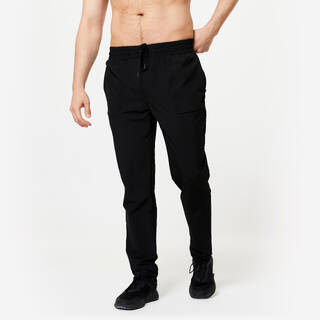
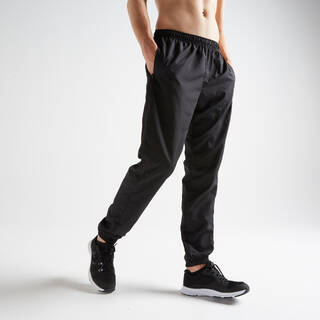


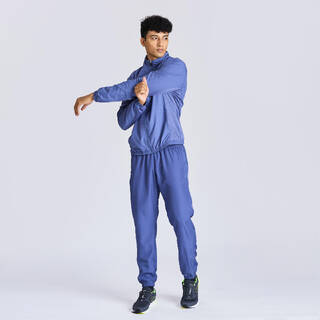
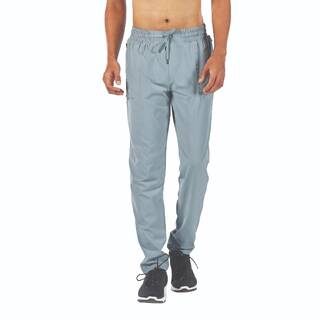
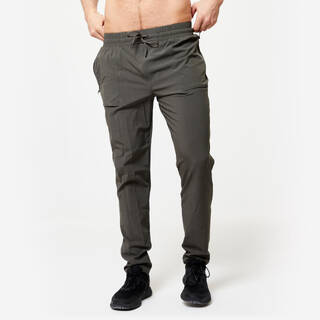
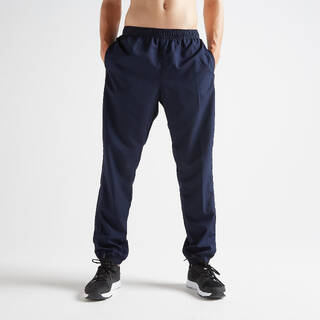
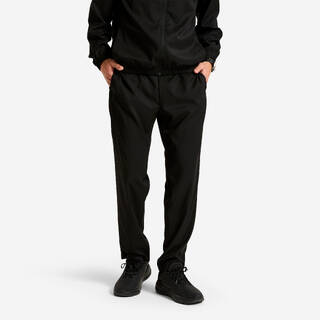
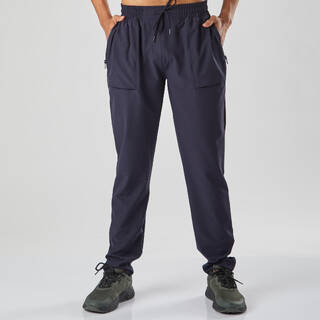
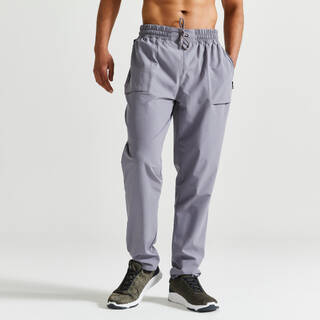
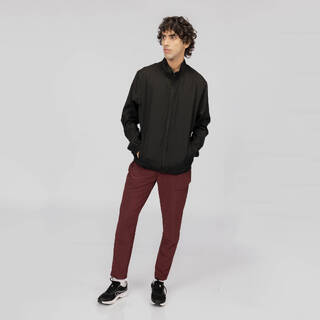
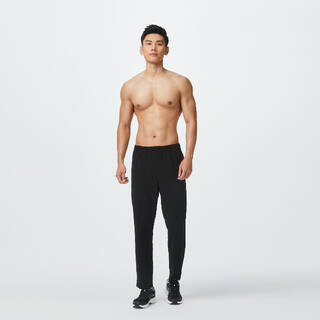
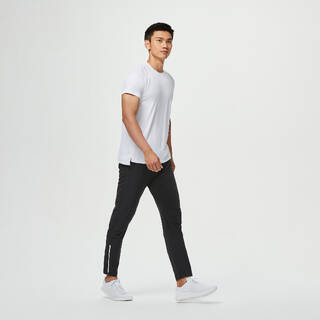
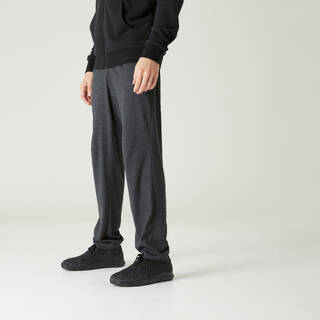
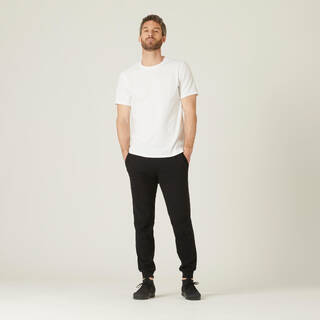
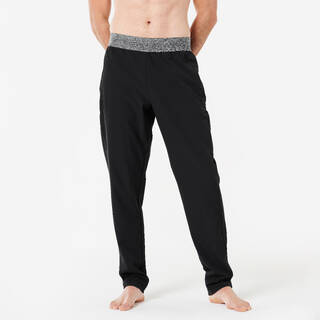
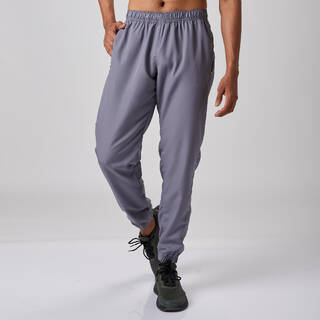
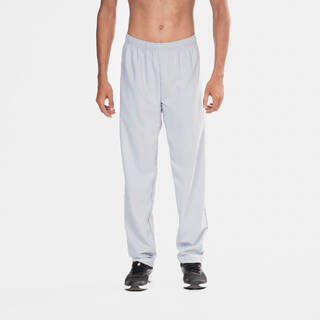
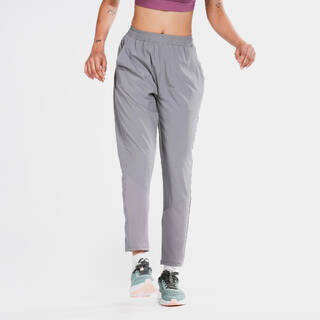
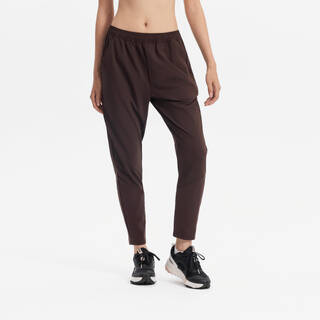
Domyos Men's Gym Joggers: Engineered for High-Intensity Training and Compound Lift Mobility
Domyos men's gym joggers are constructed using 200 to 240 GSM cotton-polyester blends and 260 to 280 GSM French terry fabrics, delivering the structural integrity required for squat depth, deadlift positioning, and explosive plyometric movements. The higher GSM weights provide opacity during deep hip flexion and prevent transparency under gym lighting. Reinforced gusset panels integrate diamond-shaped insets that eliminate center seam friction during wide-stance leg presses and sumo deadlifts. Elastane content ranges from 3% to 5%, enabling full range of motion without fabric memory loss after repeated washing cycles.
Tapered leg construction reduces excess fabric bunching around the ankle, preventing interference with Olympic lifting platforms and cable machine foot positioning. Ribbed ankle cuffs feature double-needle topstitching and retain elasticity across 50-plus wash cycles without sagging. Waistband engineering incorporates flat drawcords with metal-tipped aglets, eliminating the twisting and knotting common in round cord designs. Internal waistband linings use brushed polyester that wicks perspiration away from the lower back and hip flexors during high-rep kettlebell swings and burpee intervals.
Moisture Management and Thermal Regulation for Indian Gym Environments
Indian gym interiors frequently exceed 28 to 32 degrees Celsius with relative humidity above 70% during monsoon months. Domyos joggers integrate moisture-wicking polyester yarns in strategic zones: inner thigh panels, lower back waistband sections, and crotch gussets. These zones accelerate sweat evaporation rates by 40% compared to single-layer cotton constructions. French terry loopback interiors create microscopic air pockets that buffer skin temperature fluctuations during rest intervals between working sets.
Ventilation engineering includes laser-cut perforations along the outer thigh seams and behind-the-knee mesh inserts that enhance airflow during treadmill intervals and stair climber sessions. Flatlock offset stitching eliminates raised seam ridges that cause chafing during prolonged cardio sessions or indoor cycling classes. Anti-microbial silver ion treatments embedded in the fabric matrix inhibit odor-causing bacteria growth, maintaining freshness across multiple training sessions before washing becomes necessary.
Pocket Architecture and Storage Solutions for Training Essentials
Functional pocket design addresses the storage requirements of resistance training and circuit workouts. Deep side pockets measure 18 to 20 cm in depth, securing smartphones (up to 6.7-inch displays) during box jumps, battle rope intervals, and sled pushes without ejection risk. Zippered rear pockets provide secure storage for locker keys, gym access cards, and wireless earbuds during inverted movements like decline bench presses and hanging leg raises.
Internal pocket construction uses reinforced bartack stitching at stress points, withstanding the repetitive loading and unloading of items across hundreds of training sessions. Pocket bag fabrics are cut on the bias to prevent sagging and maintain a streamlined silhouette. Some Domyos models integrate concealed media ports within the waistband, allowing headphone cables to route internally and eliminate snagging on barbell knurling or dumbbell racks during compound movements.
Fabric Durability and Abrasion Resistance for Multi-Surface Training
Gym joggers endure contact with rubber flooring, foam roller textures, wooden Olympic platforms, and metal bench surfaces. Domyos fabrics undergo Martindale abrasion testing, achieving 25,000 to 40,000 rub cycles before visible pilling or fiber breakdown occurs. This durability standard ensures the joggers maintain structural integrity during floor-based exercises like mountain climbers, plank variations, and Turkish get-ups where fabric drags across textured surfaces.
Reinforced knee panels integrate double-layer construction in high-wear zones, extending garment lifespan during kneeling exercises such as cable crunches, landmine presses, and sled loading. Colorfast dyeing processes resist fading from chlorine exposure in gym environments with adjacent pool facilities and maintain pigment stability under high-UV conditions when training outdoors on building rooftops or open-air fitness zones. Seam strength exceeds 180 Newtons of tensile force, preventing blowouts during explosive movements like box jumps and depth jumps.
Fit Profiles and Size Engineering for Indian Body Types
Domyos joggers are patterned using anthropometric data from Indian male athletes, accounting for variations in hip-to-waist ratios, thigh circumference distributions, and inseam lengths common across regional populations. Regular fit models provide a relaxed thigh and hip block with a 2 to 3 cm ease allowance, accommodating athletes who prioritize quad and glute hypertrophy training. Slim fit variants reduce leg opening circumference by 15% while maintaining adequate stretch for full squat depth and lunge mechanics.
Inseam lengths range from 68 cm to 78 cm across size runs, corresponding to standard Indian height distributions from 165 cm to 185 cm. Waistband sizing incorporates elastic expansion ratios of 30% to 40%, allowing the joggers to accommodate fluctuations in body composition during bulking and cutting phases without requiring frequent size changes. Rise measurements (the distance from crotch seam to waistband) are engineered at 28 to 30 cm for regular fits, providing adequate coverage during overhead pressing movements and preventing exposure during seated rowing exercises.
Care Instructions and Longevity Optimization for Training Apparel
Proper garment care extends the functional lifespan of gym joggers beyond 200 wear cycles. Machine washing at 30 degrees Celsius in cold water preserves elastane fiber elasticity and prevents premature waistband stretching. Turning joggers inside out before washing protects outer surface fibers from abrasion against other garments and washing drum surfaces. Avoiding fabric softeners maintains the moisture-wicking properties of polyester yarns, as softener residues coat fibers and reduce capillary action.
Air drying is recommended over tumble drying to prevent heat-induced shrinkage and elastane degradation. Hanging joggers by the waistband rather than the ankle cuffs prevents distortion of the tapered leg shape. Storing joggers folded rather than on hangers reduces stress on shoulder seams and waistband elastic. For joggers exposed to heavy perspiration during high-intensity sessions, rinsing immediately after training and allowing air circulation before washing prevents bacteria colonization and odor embedding in fabric fibers.
FAQ (Frequently Asked Questions)
Q1. What materials are Decathlon's men's gym joggers and pants made from?
Our men's gym joggers and pants are made from a variety of high-quality materials, including cotton blends, polyester, and spandex. We prioritize breathable, moisture-wicking fabrics that allow for maximum comfort and performance during workouts.
Q2. Do Decathlon's gym joggers and pants have pockets?
Yes, many of our men's gym joggers and pants feature secure pockets, allowing you to carry essentials like your phone, keys, or wallet during your workout. The number and placement of pockets may vary depending on the specific style.
Q3. Are Decathlon's gym joggers and pants suitable for outdoor activities?
Absolutely! While our gym joggers and pants are designed with indoor workouts in mind, many of our styles are also suitable for outdoor activities like running, hiking, or cycling. Look for features like reflective details and moisture-wicking fabrics for optimal performance.
Q4. How should I care for my Decathlon gym joggers and pants?
We recommend following the care instructions provided on the garment label. In general, it's best to wash your gym wear in cold water and air-dry to preserve the technical properties of the fabrics. Avoid using fabric softeners or bleach, as these can damage the materials.
Q5. Do Decathlon's gym joggers and pants come in different fits?
Yes, our men's gym joggers and pants are available in a variety of fits, including slim, regular, and relaxed. We understand that fit is a personal preference, so we offer a range of options to ensure you find the perfect pair for your body type and desired level of comfort.
Q6. Can I return or exchange Decathlon gym joggers and pants if they don't fit properly?
Absolutely! At Decathlon, we want you to be completely satisfied with your purchase. If the gym joggers or pants you've selected don't fit as expected, you can return or exchange them in accordance with our return policy.
Q7. Do Decathlon's gym joggers and pants offer any moisture-wicking or quick-drying properties?
Yes, many of our men's gym joggers and pants are designed with moisture-wicking and quick-drying properties to keep you comfortable and dry during intense workouts. Look for fabrics like polyester and spandex blends for optimal performance.
Q8. Are Decathlon's gym joggers and pants suitable for all types of workouts?
Our men's gym joggers and pants are versatile enough to accommodate a wide range of workout styles, from weightlifting and cardio to yoga and Pilates. However, for specialized activities like rock climbing or water sports, you may want to consider our dedicated apparel collections.
Q9. Can I try on Decathlon's gym joggers and pants in-store before purchasing?
Absolutely! We encourage you to visit one of our Decathlon stores and try on our men's gym joggers and pants to ensure the perfect fit. Our knowledgeable staff will be happy to assist you and provide personalized recommendations based on your needs and preferences.
Q10. Does Decathlon offer any discounts or promotions on men's gym joggers and pants?
Yes, we frequently offer discounts and promotions on our men's gym joggers and pants, as well as other apparel and equipment. Be sure to check our website or sign up for our newsletter to stay informed about the latest deals and special offers.
Q11. What GSM fabric weight should I choose for year-round gym training in Indian climates?
Select 200 to 220 GSM cotton-polyester blends for air-conditioned gym environments and year-round versatility. These mid-weight fabrics balance breathability with opacity during deep squats and lunges. For monsoon humidity above 70%, prioritize polyester-dominant blends (60% polyester, 40% cotton) that accelerate moisture evaporation. Heavier 260 to 280 GSM French terry joggers suit winter training in northern regions or early morning outdoor workouts when temperatures drop below 15 degrees Celsius.
Q12. How do I determine the correct inseam length for gym joggers if I am 172 cm tall?
At 172 cm height, a 70 to 73 cm inseam typically provides proper ankle cuff positioning just above the ankle bone without fabric pooling. Measure your current well-fitting joggers from crotch seam to hem for reference. If you have longer legs relative to torso length, size up to 74 to 76 cm inseams. The ankle cuff should sit 2 to 3 cm above your ankle joint to prevent tripping hazards during treadmill sprints or box step-ups.
Q13. Will gym joggers restrict my squat depth or hip mobility during compound lifts?
Domyos joggers with 3% to 5% elastane content and reinforced gusset panels allow full squat depth below parallel without fabric tension restricting hip flexion. Look for models with articulated knee construction and four-way stretch properties. Test squat mobility by performing a bodyweight deep squat in the fitting room. The waistband should remain in place without riding down, and thigh fabric should not create pulling sensations at the bottom position.
Q14. How many washes can gym joggers withstand before the waistband elastic loses tension?
Quality gym joggers with encased elastic waistbands maintain functional tension across 50 to 80 wash cycles when laundered at 30 degrees Celsius and air dried. Tumble drying accelerates elastic degradation by 40% due to heat exposure. Elastane fibers begin losing recovery properties after 100 wash cycles, resulting in gradual waistband loosening. Rotating between two to three pairs of joggers reduces washing frequency per garment and extends overall lifespan beyond 18 months of regular training use.
Q15. Are tapered joggers better than straight-leg cuts for weightlifting and functional training?
Tapered joggers reduce excess fabric around the ankles, eliminating interference with Olympic lifting platform foot positioning and cable machine setups. The narrower ankle opening prevents fabric from catching on barbell collars during deadlifts or snagging on squat rack uprights. Straight-leg cuts provide more airflow around the calves and suit athletes who prefer looser fits, but may bunch around shoes during dynamic movements like burpees or box jumps.
Q16. Can I wear gym joggers for outdoor running or are they only suitable for indoor training?
Gym joggers are optimized for controlled indoor environments and resistance training movements rather than sustained cardiovascular running. The heavier 200 to 280 GSM fabrics retain more heat and moisture compared to 100 to 140 GSM running tights or shorts. For outdoor running in Indian heat, dedicated running apparel with enhanced ventilation and lighter fabric weights provides better thermal regulation. Gym joggers suit short warm-up jogs, cool-down walks, or outdoor bodyweight circuit training.
Q17. What is the difference between French terry and regular cotton-polyester blends in gym joggers?
French terry construction features looped yarns on the interior surface, creating air pockets that enhance insulation and moisture absorption. This fabric typically weighs 260 to 280 GSM and provides a plush feel against skin. Regular cotton-polyester blends use flat-knit construction at 200 to 220 GSM, offering lighter weight and faster drying times. French terry suits winter training or athletes who prefer a softer hand feel, while flat-knit blends excel in high-humidity conditions and frequent washing scenarios.
Q18. How do I prevent pilling on the inner thighs of gym joggers after repeated use?
Pilling occurs from friction between fabric surfaces during walking and leg movements. Choose joggers with higher polyester content (above 60%) and tighter knit densities, as polyester fibers resist pilling better than cotton. Washing joggers inside out reduces abrasion on outer surfaces. Avoid washing joggers with rough-textured items like denim or towels. Once minor pilling appears, use a fabric shaver to remove pills before they worsen. Reinforced inner thigh panels with double-layer construction significantly extend the time before pilling becomes visible.
Q19. Should I size up in gym joggers if I have larger quads and glutes from strength training?
Athletes with developed quad and glute musculature should prioritize thigh and hip measurements over waist size. Measure your thigh circumference at the widest point (typically mid-thigh) and compare against size charts. If your thigh measurement places you between sizes, select the larger size to prevent restrictive fabric tension during squats and lunges. Adjustable drawcord waistbands compensate for any excess room at the waist. Slim fit models may not accommodate hypertrophied leg development, making regular or relaxed fits more suitable.
Q20. Do zippered pockets on gym joggers affect comfort during floor exercises and stretching?
Zippered pockets positioned on the rear or side seams can create pressure points during supine exercises like hip thrusts, glute bridges, or floor stretches. Look for joggers with zippered pockets placed slightly forward on the hip rather than directly on the side seam or rear. Flat, low-profile zippers (3 mm thickness) minimize discomfort compared to chunky plastic zippers. For athletes who frequently perform floor-based training, models with deep slip pockets and one secure zippered pocket offer better comfort than multiple zippered compartments.