Cycles





6061 T6 Aluminium vs High-Tensile Steel Frames: Selecting the Right Frame Material for Indian Riding Conditions
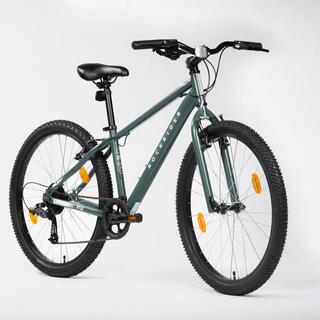
Frame material dictates weight, vibration damping, and long-term durability across monsoon humidity and high-UV exposure. 6061 T6 aluminium alloy frames deliver superior strength-to-weight ratios, typically ranging from 1.2 to 1.6 kg for a 17-inch MTB frame, while resisting corrosion in coastal salt air and monsoon downpours. High-tensile steel frames, commonly found in urban commuter cycles, absorb road vibration more effectively on pothole-riddled city roads but add 800 to 1200 grams compared to equivalent aluminium structures. Rockrider mountain bikes use hydroformed aluminium tubing with oversized down tubes (40mm diameter) to increase torsional rigidity during aggressive trail riding, while Btwin and Elops city cycles employ TIG-welded steel for affordable durability in daily commutes.
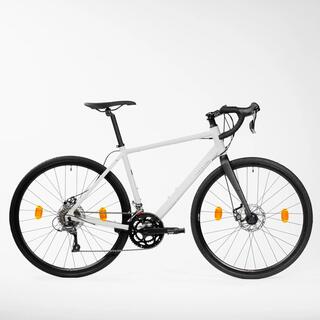
Aluminium frames require no rust-prevention paint maintenance, a critical advantage in high-humidity regions like Kerala, West Bengal, and coastal Maharashtra. Steel frames demand periodic inspection of weld joints and paint chips to prevent oxidation. For riders prioritizing lightweight climbing efficiency on Himalayan switchbacks or Nilgiri ghat roads, aluminium sheds 2 to 3 kg off total bike weight, translating to measurably lower energy expenditure on sustained gradients. Steel remains ideal for load-carrying utility cycles and heavy-duty cargo applications where frame flex under 80 to 100 kg loads must be minimized. Triban road bikes use triple-butted aluminium tubes (thicker at stress junctions, thinner mid-tube) to balance stiffness and compliance, while Van Rysel carbon frames reserve their application for competitive road racing where every gram reduction matters.
Groupset Gearing Ratios and Drivetrain Selection: Matching Gear Ranges to Terrain Profiles and Rider Fitness Levels
Drivetrain configuration directly impacts climbing capability, flat-road cruising speed, and mechanical simplicity. Entry-level MTBs typically feature 3x7 or 3x8 drivetrains (21 to 24 speeds) with front chainring combinations like 42-34-24T paired to 11-32T cassettes, delivering gear ratios from 0.75 (ultra-low climbing) to 3.8 (high-speed descents). Mid-range Rockrider models adopt 2x9 or 1x10 systems, eliminating the smallest chainring to reduce weight and simplify shifting while retaining adequate range through wide-ratio cassettes (11-42T or 11-46T). Single-chainring 1x drivetrains offer zero front derailleur maintenance, critical for dusty Rajasthan trails or muddy Western Ghats singletracks where debris clogs front mechs.
Road-oriented Triban bikes employ compact 50-34T cranksets with 11-32T cassettes, providing low gears (1.06 ratio) for steep ghat climbs without sacrificing top-end speed on flat NH highways. Riders tackling Ladakh passes or Spiti Valley ascents benefit from sub-1.0 gear ratios, achievable through 30T or 28T small chainrings paired to 34T or 36T largest cogs. Mechanical shifting systems (Shimano Tourney, Altus, Acera) use cable actuation, requiring periodic cable tension adjustment but offering field-repairable simplicity. Higher-tier groupsets (Shimano Deore, SLX) feature indexed precision and smoother ramp profiles on cassette cogs, reducing chain skip under high pedal torque. Hybrid cycles balance urban stop-and-go efficiency with occasional trail capability through 3x8 setups and 700c wheel diameters, while pure city bikes often use 6 or 7-speed freewheels with coaster brakes or V-brakes for minimal maintenance.
Mechanical vs Hydraulic Disc Brakes: Stopping Power, Modulation, and Maintenance Requirements for Wet and Dusty Conditions
Braking system choice affects stopping distance, finger fatigue, and service intervals in monsoon slush or desert dust. Mechanical disc brakes use stainless steel cables to actuate caliper pistons, delivering reliable stopping power in dry conditions but requiring frequent cable tension adjustment (every 200 to 300 km) as cables stretch. Cable-actuated systems remain field-serviceable with basic hex keys and cable cutters, ideal for remote touring in Himachal or Uttarakhand where hydraulic bleed kits are unavailable. Hydraulic disc brakes use mineral oil or DOT fluid in sealed hoses, providing superior modulation (progressive power application) and consistent lever feel across temperature extremes, from 5°C Himalayan mornings to 45°C Thar Desert afternoons.
Hydraulic systems generate 20 to 30 percent more clamping force at the rotor with equivalent lever pressure, reducing hand fatigue on long descents like Manali to Rohtang or Ooty hairpins. Rotor diameter selection (160mm, 180mm, or 203mm) scales braking torque, with larger rotors dissipating heat more effectively during sustained braking but adding 40 to 80 grams per wheel. Rockrider MTBs spec 180mm front and 160mm rear rotors for balanced modulation, while heavier riders (above 85 kg) or tandem touring setups benefit from 203mm front rotors to prevent brake fade. Monsoon riding demands sintered metal brake pads over organic resin pads, as sintered compounds maintain friction coefficients above 0.35 even when saturated, whereas resin pads lose 40 percent bite when wet. Dust ingress from unpaved village roads or construction zones accelerates rotor wear, necessitating rotor replacement every 2000 to 3000 km in high-dust environments versus 4000 to 5000 km on sealed tarmac.
Tire Clearance, Tread Patterns, and Wheel Diameter: Optimizing Rolling Resistance and Traction for Road, Gravel, and Trail Surfaces
Tire specification governs speed, comfort, and terrain capability across India's diverse surface conditions. Road bikes use 700c wheels with 23mm to 28mm tire widths, inflated to 90 to 110 PSI for minimal rolling resistance on smooth asphalt. Wider 28mm tires reduce vibration transmission over expansion joints and pothole edges without significant speed penalty, while maintaining lower rolling resistance than narrower 23mm tires at equivalent system pressure due to reduced casing deformation. Gravel and hybrid bikes accommodate 700x32c to 700x40c tires, dropping pressure to 50 to 70 PSI for compliance over broken tarmac, dirt roads, and hardpack trails. Increased air volume absorbs impact spikes, protecting rim edges from pinch flats on sharp-edged potholes common in rural road networks.
Mountain bikes run 27.5-inch (650b) or 29-inch (700c) wheels with 2.10 to 2.40-inch tire widths, optimized for off-road traction and obstacle rollover. 29-inch wheels maintain momentum over roots and rocks more effectively due to larger contact patch length, while 27.5-inch wheels accelerate faster and fit smaller frame sizes without toe overlap. Tread patterns separate by intended surface: slick center strips with side knobs for hardpack and gravel, aggressive 4mm to 6mm knobs spaced widely for mud shedding in monsoon slush, and tightly packed low-profile knobs for mixed pavement and dirt. Rockrider tires use dual-compound rubber (harder center for durability, softer shoulders for cornering grip), extending tread life to 2500 to 3500 km while maintaining lateral traction. Tubeless-ready rims and tires eliminate inner tubes, allowing 15 to 20 percent lower pressures for improved traction without pinch flat risk, and enabling liquid sealant to plug small punctures automatically during rides through thorn-laden scrubland or acacia forests.
Suspension Fork Travel and Damping: Matching Front Suspension to Trail Technicality and Rider Weight
Front suspension absorbs trail impacts, maintaining tire contact and reducing upper-body fatigue on rough terrain. Suspension forks use coil springs or air springs paired with oil damping circuits to control compression and rebound speeds. Entry-level MTBs feature 80mm travel coil forks with preload adjustment, adequate for gravel paths and light trail riding but lacking damping refinement for high-speed rock gardens. Mid-range Rockrider models upgrade to 100mm travel air forks with lockout levers, allowing riders to firm suspension for paved climbs and open it for technical descents. Air springs enable precise pressure tuning (typically 50 to 90 PSI) based on rider weight, with heavier riders (above 80 kg) requiring higher pressures to prevent bottoming out on large impacts.
Travel length correlates to terrain roughness: 80 to 100mm suits cross-country trails and forest roads, 120 to 140mm handles aggressive trail riding with root sections and rock drops, and 150 to 180mm reserves for enduro racing and bike park jumps. Rebound damping controls fork extension speed after compression, preventing pogo-stick oscillation on successive bumps. Insufficient rebound damping causes the fork to pack down (failing to extend fully between impacts), while excessive rebound creates a harsh, unresponsive feel. Compression damping resists fork collapse, with low-speed compression controlling body movement during pedaling and high-speed compression absorbing sharp hits. Rockrider forks incorporate sealed cartridge dampers to exclude dust and moisture, critical for longevity in Goa beach sand, Rajasthan dust storms, and Meghalaya monsoon muck. Rigid forks (zero suspension) suit pure road bikes and urban commuters, saving 1.5 to 2 kg and eliminating maintenance while sacrificing comfort on broken pavement.
Frame Geometry and Fit: Standover Height, Reach, and Stack Dimensions for Indian Rider Anthropometry
Proper frame sizing prevents knee pain, lower back strain, and numb hands during extended rides. Frame size traditionally references seat tube length (15, 17, 19 inches for MTBs; 50, 54, 58 cm for road bikes), but modern geometry prioritizes reach (horizontal distance from bottom bracket to head tube) and stack (vertical distance from bottom bracket to head tube top). Riders with 5'4" to 5'7" inseams (typical for Indian males averaging 165 to 170 cm height) require small to medium frames (15 to 17 inches MTB, 50 to 54 cm road), while taller riders (175 to 185 cm) fit large to extra-large frames (19 to 21 inches MTB, 56 to 60 cm road). Standover clearance (gap between top tube and crotch when straddling the bike) should exceed 25mm for road bikes and 50mm for MTBs to allow safe dismounts on technical terrain.
Reach affects handlebar distance and torso angle, with longer reach creating aggressive, aerodynamic positions for road racing and shorter reach providing upright comfort for city commuting. Stack height determines handlebar elevation relative to saddle, with higher stack reducing lower back load for recreational riders and lower stack enabling pro-level aerodynamics. Rockrider MTBs use slack head tube angles (67 to 69 degrees) for stable high-speed descending, while Triban road bikes employ steep angles (72 to 74 degrees) for quick steering response in criterium racing. Chainstay length (rear triangle) impacts acceleration and climbing traction, with shorter stays (420 to 435mm) quickening handling and longer stays (440 to 460mm) stabilizing load-carrying and preventing front wheel lift on steep climbs. Women-specific frames adjust reach and stack proportions to accommodate shorter torsos and longer legs relative to height, while unisex frames suit most riders through saddle and stem adjustments.
FAQ (Frequently Asked Questions)
Q1. What type of cycle is best for me?
This depends on your needs: Road Bikes: For long-distance rides and smooth surfaces. Mountain Bikes: For off-road trails and rugged terrain. Hybrid Bikes: A mix of road and mountain bikes, suitable for commuting and casual rides. Electric Bikes: For added assistance, ideal for hilly areas or reducing effort.
Q2. What size bike do I need?
Bike size is crucial for comfort and performance. Measure your height and then refer to the size chart.
Q3. What features should I look for in a bike?
Key features include: Frame material (aluminum, carbon fibre, steel) Gear system (single-speed or multi-speed) Braking system (disc brakes or rim brakes) Suspension (front, rear, or none, depending on terrain)
Q4. Do I need accessories with my bike?
Yes! Common accessories include: Helmet (safety first) Bike lock Lights and reflectors Water bottle holder Repair kit
Q5. How do I maintain my bike?
Regularly clean and lubricate the chain. Check tire pressure and brakes before every ride. Schedule periodic tune-ups with a professional.
Q6. What frame size should I choose if I am 170 cm tall and planning to ride on city roads and occasional weekend trails?
For 170 cm height, select a medium frame (17 inches for MTB or 54 cm for hybrid). Standover clearance should allow 50mm gap between top tube and crotch when standing flat-footed. Test ride to confirm comfortable reach to handlebars without overstretching arms or cramping torso.
Q7. How do I maintain disc brakes during monsoon season when riding through waterlogged roads in Mumbai or Bangalore?
After wet rides, wipe rotors with isopropyl alcohol to remove oil film and brake dust buildup. Inspect brake pads every 300 km for embedded debris that reduces bite. Hydraulic systems require brake fluid bleeding every 12 months in high-humidity climates to prevent moisture contamination and spongy lever feel.
Q8. Can I use a road bike with 700x25c tires on Indian highways with frequent potholes and uneven surfaces?
25c tires at 100 PSI transmit harsh impacts and risk pinch flats on pothole edges. Upgrade to 28c or 30c tires inflated to 80 to 90 PSI for better compliance and puncture resistance. Wider tires absorb shock without significant rolling resistance penalty on real-world rough asphalt.
Q9. What is the difference between Rockrider and Triban cycles, and which sub-brand suits Himalayan touring?
Rockrider designs mountain bikes with suspension forks, wide-range gearing (1x10 or 2x9), and knobby tires for off-road trails. Triban focuses on road bikes with drop bars, narrow tires, and compact gearing for paved climbs. For Himalayan touring on mixed surfaces, choose Rockrider with 29-inch wheels and 100mm suspension, or a rigid Triban with 700x32c gravel tire clearance.
Q10. How often should I replace the chain and cassette on a mountain bike used for daily commuting in dusty conditions?
In high-dust environments like Delhi NCR or Rajasthan, chains stretch after 1500 to 2000 km. Measure chain wear with a gauge tool; replace at 0.5 percent elongation to prevent premature cassette wear. Cassettes last 3000 to 4000 km with timely chain replacement, but skip replacement if chain wear exceeds 0.75 percent.
Q11. Are hydraulic disc brakes worth the extra maintenance complexity compared to mechanical disc brakes for weekend trail riding?
Hydraulic brakes deliver superior modulation and require less lever force, reducing hand fatigue on long descents. Maintenance involves annual fluid bleeding, which takes 30 minutes with a bleed kit. Mechanical brakes need cable adjustment every 200 km but remain field-serviceable with basic tools. Choose hydraulic for frequent technical riding, mechanical for remote touring simplicity.
Q12. What tire pressure should I use for a 27.5-inch MTB with 2.25-inch tires when riding on forest trails and rocky paths?
Start with 28 to 32 PSI for riders under 75 kg, or 32 to 36 PSI for riders above 75 kg. Lower pressures increase traction and comfort but risk pinch flats on sharp rocks. Tubeless setups allow 25 to 30 PSI safely. Adjust based on terrain: add 2 to 4 PSI for hardpack, reduce 2 to 4 PSI for loose gravel or mud.
Q13. Can I convert a single-speed city cycle to a geared cycle by adding a derailleur and cassette?
Conversion requires a frame with derailleur hanger, horizontal dropout spacing compatible with geared hubs (135mm rear for MTB, 130mm for road), and cable routing guides. Most single-speed city bikes lack these features, making retrofit impractical. Purchase a purpose-built geared hybrid or MTB for reliable multi-speed performance.
Q14. How do I choose between 27.5-inch and 29-inch wheels for mountain biking on Western Ghats trails with steep climbs and technical descents?
29-inch wheels roll over obstacles more easily and maintain speed on rough terrain, ideal for taller riders (above 175 cm) and cross-country racing. 27.5-inch wheels accelerate faster, fit smaller frames without toe overlap, and provide nimble handling in tight switchbacks. For mixed climbing and descending, 29-inch offers better overall efficiency despite slightly slower acceleration.
Q15. What is the expected lifespan of an aluminium frame cycle used for daily commuting of 15 km per day in urban traffic?
Quality 6061 T6 aluminium frames withstand 50,000 to 100,000 km with proper maintenance, translating to 10 to 15 years at 15 km daily. Inspect weld joints annually for hairline cracks, especially at head tube and bottom bracket junctions. Avoid overloading beyond manufacturer weight limits (typically 100 to 120 kg rider plus cargo) to prevent premature fatigue failure.