Gym Equipment







Buy Gym Equipment Online at Decathlon India | Home Gym Equipment for Men, Women & Beginners
Building a home gym in India requires equipment that fits compact apartment spaces, handles high humidity during monsoon months, and survives daily sweat exposure without rusting or losing structural integrity. Decathlon offers a complete range of gym equipment designed for Indian homes, from strength training gear and cardio machines to yoga mats and resistance bands. Every product is tested for durability under real workout conditions, ensuring stable frames, smooth mechanical movement, and easy storage when floor space is limited.
Our Domyos and Corength sub-brands bring professional-grade build quality to home fitness. Steel frames are powder-coated to resist moisture and sweat corrosion. Weight benches support maximum user capacities clearly marked in kilograms. Resistance bands come in multiple tension levels for progressive strength building. Dumbbells feature anti-slip grip coatings that stay secure even when palms sweat heavily. Yoga mats use dense foam that cushions joints on hard tile or concrete floors without sliding during poses. Compact folding designs let you store equipment under beds or against walls, making daily workouts practical in small living rooms or bedrooms.
How to Choose the Right Gym Equipment for Your Fitness Goals
Start by identifying your primary fitness goal. Strength training requires free weights like dumbbells, kettlebells, or adjustable weight sets, along with a sturdy bench that supports your body weight plus the load you lift. Cardio fitness calls for equipment like stationary bikes, treadmills, or elliptical trainers with smooth flywheel rotation and adjustable resistance levels. Flexibility and mobility work needs yoga mats with adequate thickness (at least 6mm for joint cushioning), foam rollers, and stretch bands.
Check the maximum user weight capacity printed on benches, bikes, and machines. This number should exceed your body weight by at least 20 kilograms to ensure safe, stable use over years of regular training. For resistance bands and tubes, choose tension levels that match your current strength. Beginners benefit from lighter resistance (5 to 10 kg equivalent tension), while regular gym users need heavier bands (15 to 25 kg tension) for continued progress. Storage space matters in Indian homes. Foldable benches, stackable weight plates, and compact resistance band sets keep your living area organized between workout sessions.
Strength Training Equipment for Building Muscle and Tone
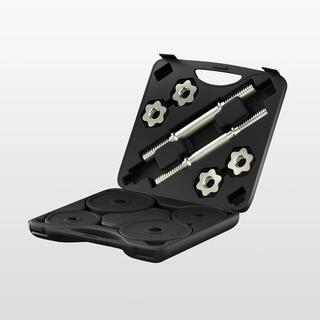
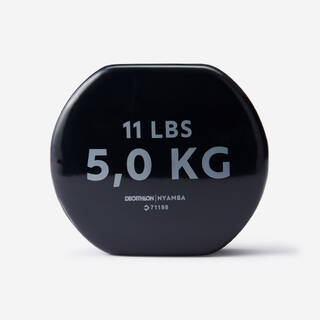
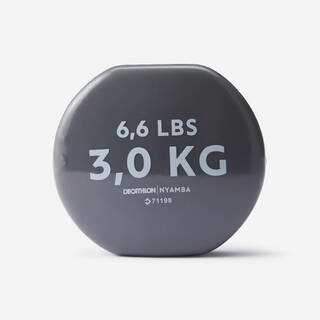
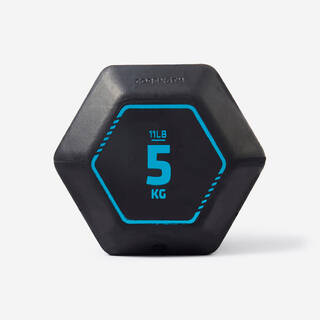
Free weights form the foundation of any strength program. Dumbbells with rubberized coatings protect your floors from damage during sets and reduce noise when placing weights down. Adjustable dumbbell sets let you change load quickly without buying multiple fixed-weight pairs, saving both money and storage space. Kettlebells develop explosive power and grip endurance through swings, cleans, and Turkish get-ups. Cast iron construction ensures these tools last decades without cracking or chipping.
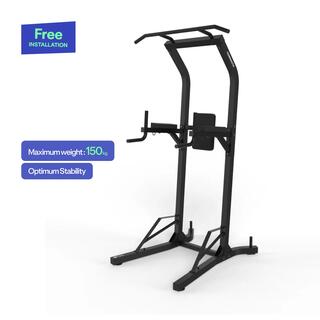
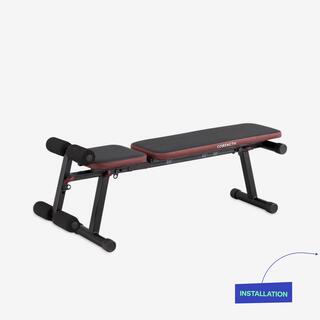
Weight benches must offer rock-solid stability. Look for wide leg bases, thick steel tubing (at least 50mm diameter), and high-density foam padding that holds its shape after hundreds of pressing sessions. Adjustable benches let you switch between flat, incline, and decline angles to target different muscle groups. Powder-coated frames resist sweat corrosion common in humid Indian climates. Barbell sets with standard or Olympic-sized bars enable progressive overload for squats, deadlifts, and bench presses. Rubber weight plates reduce floor impact and allow quieter training in apartment buildings where neighbors live below you.
Cardio Machines for Endurance and Weight Management
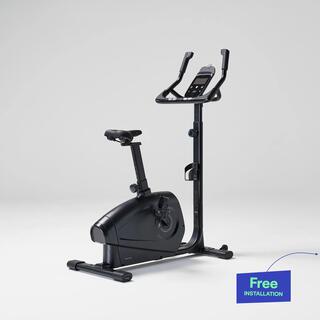
Stationary bikes deliver low-impact cardio that protects knee and ankle joints while burning calories efficiently. Flywheel weight matters. Heavier flywheels (8 kg or more) create smoother pedaling motion that feels natural and reduces jerky resistance changes. Magnetic resistance systems operate silently, making early morning or late night workouts possible without disturbing family members. Adjustable seat height and handlebar position ensure proper posture that prevents lower back strain during longer sessions.
Treadmills suit runners who need consistent training regardless of outdoor weather. Monsoon rains and extreme summer heat often make outdoor running uncomfortable or unsafe. Home treadmills with cushioned running decks absorb impact better than concrete roads, reducing stress on knees and shins. Motor power (measured in continuous horsepower) determines how smoothly the belt runs under your stride. Compact folding models save floor space when not in use. Elliptical trainers combine upper and lower body movement for full-body cardio with zero joint impact, ideal for users recovering from injuries or those with existing knee concerns.
Yoga and Flexibility Equipment for Mobility and Recovery
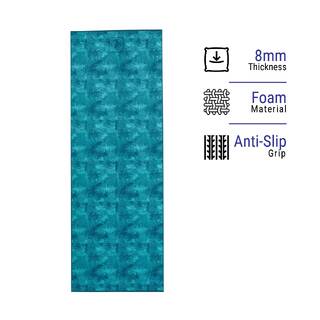
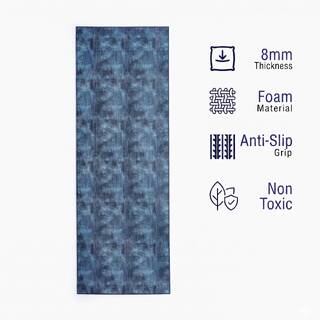
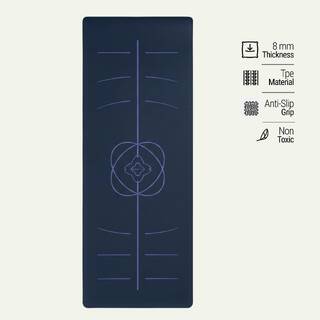
Yoga mats need sufficient thickness to cushion bony contact points like knees, elbows, and spine against hard flooring. Mats between 6mm and 10mm thick provide comfort without feeling unstable during balance poses. Non-slip surfaces on both sides keep the mat anchored to tile or marble floors common in Indian homes and prevent your hands and feet from sliding during downward dog or plank holds. Closed-cell foam construction resists sweat absorption, making cleaning simple with a damp cloth after each session.
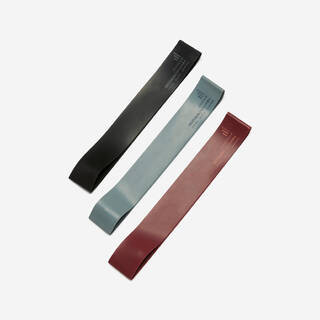
Foam rollers release muscle tightness through self-massage techniques. High-density foam holds its shape under body weight, targeting trigger points in calves, thighs, and back muscles. Textured surfaces increase pressure for deeper tissue work. Resistance bands and tubes add challenge to stretching routines and bodyweight exercises. Loop bands work well for glute activation and lateral leg movements. Tube bands with handles enable rowing motions and chest presses when anchored to door frames or sturdy furniture. Yoga blocks made from dense foam or cork help beginners achieve proper alignment in poses before flexibility improves.
Care and Maintenance Tips for Long-Lasting Gym Equipment
Wipe down all equipment after every workout session. Sweat contains salt that corrodes metal frames and degrades foam padding over time. Use a dry microfiber cloth for quick daily cleaning and a slightly damp cloth with mild soap for weekly deep cleaning. Avoid harsh chemical cleaners that can damage rubber coatings on dumbbells or vinyl on bench padding. Store equipment in well-ventilated areas to prevent moisture buildup that leads to rust on steel components or mold growth on fabric straps.
Check moving parts regularly. Tighten any loose bolts on benches, bike pedals, or machine frames before each use. Lubricate bike chains and treadmill belts according to manufacturer guidelines to maintain smooth operation and extend mechanical life. Inspect resistance bands and tubes for small tears or weak spots before every session. Replace bands immediately if you notice any damage to prevent snapping during exercises. Stack weight plates neatly to avoid warping. Roll yoga mats loosely rather than folding them to prevent permanent creases. Proper care ensures your home gym equipment remains safe and functional for years of consistent training.
FAQ (Frequently Asked Questions)
Q1. What gym equipment should a beginner buy first for home workouts?
Start with a set of adjustable dumbbells (covering 2 kg to 20 kg range), a yoga mat (at least 6mm thick), and a set of resistance bands with multiple tension levels. This combination allows you to perform strength exercises, bodyweight movements, and stretching routines without requiring large machines or extensive floor space. Add a sturdy adjustable bench once you master basic dumbbell exercises and want to progress to pressing and rowing movements.
Q2. How much weight capacity should I look for in a home gym bench?
Choose a bench with a maximum user weight capacity at least 20 to 30 kilograms above your current body weight. This safety margin accounts for the additional load from dumbbells or barbells you will lift during exercises. Most quality benches support between 150 kg and 250 kg total capacity. Check that the frame uses thick steel tubing (50mm or larger diameter) and has a wide leg base for stable support during heavy pressing movements.
Q3. Will gym equipment rust in humid Indian climates?
Quality gym equipment with powder-coated steel frames and rubberized weight coatings resists rust when properly maintained. Wipe down all metal surfaces with a dry cloth after each workout to remove sweat and moisture. Store equipment in well-ventilated rooms rather than damp basements or closed storage areas. Avoid leaving gear on balconies or near open windows during monsoon season. Regular cleaning and dry storage keep frames and weights rust-free for many years of use.
Q4. Can I use gym equipment on marble or tile floors without causing damage?
Yes, but use protective measures. Place rubber mats or interlocking foam tiles under heavy equipment like weight benches, bikes, and treadmills to prevent scratching and absorb vibration. Dumbbells and kettlebells with rubber coatings protect floors when you set weights down between sets. Yoga mats with non-slip backing stay in place on smooth tile surfaces. These simple precautions prevent floor damage while reducing noise that might disturb neighbors in apartment buildings.
Q5. How do I choose the right resistance level for bands and tubes?
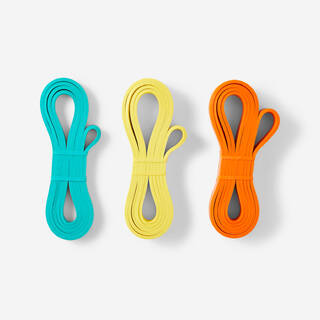
Resistance bands are typically color-coded by tension level. Beginners should start with light resistance (equivalent to 5 to 10 kg tension) to learn proper movement patterns without straining muscles or joints. Regular gym users who can comfortably perform 15 to 20 repetitions with a band should progress to the next tension level. Most band sets include three to five different resistance levels, allowing you to adjust difficulty as strength improves or to match different muscle groups during the same workout.
Q6. What is the difference between magnetic and friction resistance on exercise bikes?
Magnetic resistance uses magnets positioned near the flywheel to create adjustable tension without physical contact, resulting in silent operation, smooth resistance changes, and zero maintenance. Friction resistance uses a brake pad that presses against the flywheel, which is noisier and requires occasional pad replacement as it wears down. Magnetic systems work better for apartment use where noise matters and for users who want consistent, long-lasting performance without ongoing upkeep.