Hiking and Trekking Equipments


Quechua Trekking Backpacks: Load Distribution, Ventilated Back Panels, and Monsoon-Ready Waterproofing
Quechua trekking backpacks integrate anatomical load distribution systems that transfer pack weight from shoulders to hips through padded waist belts and adjustable torso lengths. Multi-day packs in the 40L to 70L range feature rigid internal frames (aluminium or fiberglass stays) that maintain vertical load paths, reducing lumbar compression during steep Himalayan ascents or Western Ghats descents. Ventilated back panels use tensioned mesh suspended 10 to 15mm from the wearer's spine, creating airflow channels that reduce sweat accumulation in high-humidity monsoon treks across Uttarakhand, Sikkim, or Karnataka hill stations.
Waterproof protection comes from 210D ripstop polyester with 1500mm to 3000mm polyurethane coatings, tested against sustained rainfall intensities typical of June to September monsoon windows. Sealed seams and rain covers (included with most 50L+ models) prevent moisture ingress during cloud-burst conditions on exposed ridgelines. External lash points, ice axe loops, and trekking pole attachment systems accommodate technical gear for high-altitude routes above 4000 meters. Compression straps stabilize loads when packs are partially filled, preventing lateral sway on narrow trail sections or boulder scrambles common in Ladakh, Spiti Valley, and Zanskar circuits.
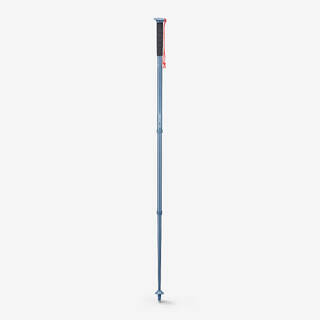
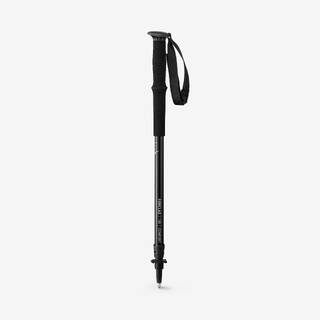
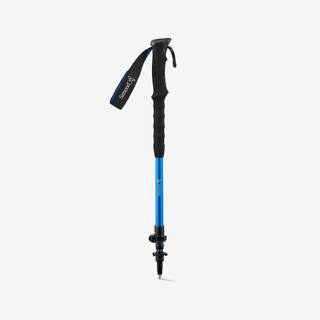
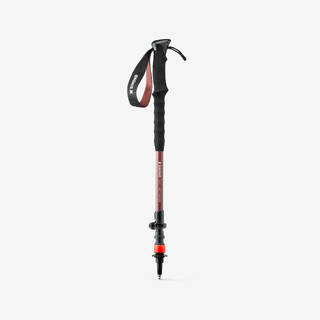
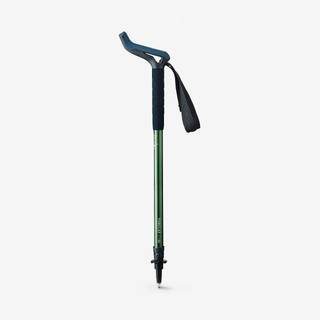
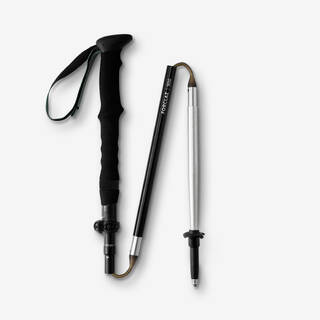
Forclaz Trekking Poles: Aluminium 7075 Alloy, Shock-Absorbing Springs, and Carbide Tip Grip on Loose Scree
Forclaz trekking poles use 7075 aluminium alloy tubing (tensile strength approximately 500 MPa) with anodized surface treatments that resist corrosion from monsoon moisture and high-altitude UV exposure. Three-section telescopic designs adjust from 110cm to 135cm via external flip-lock mechanisms or internal twist-lock systems, accommodating varied terrain gradients from flat river valleys to 30-degree scree slopes. Internal anti-shock springs (optional on select models) dampen impact forces transmitted to wrists and elbows during descents, reducing cumulative joint stress over multi-day treks covering 60 to 100 kilometers.
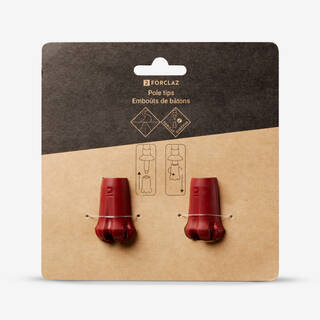
Carbide tips penetrate compacted dirt, loose gravel, and wet moss-covered rocks encountered on trails like Hampta Pass, Valley of Flowers, or Sandakphu routes. Interchangeable rubber tip covers protect carbide points during road walks and reduce noise on stone-paved village paths. EVA foam grips with extended foam sections below the handle allow choke-up hand positions during steep uphill climbs without readjusting pole length. Wrist straps distribute pole thrust forces across the hand, enabling relaxed grip pressure that delays forearm fatigue during 8 to 10-hour trekking days typical of high-altitude expedition schedules.
Quechua and Forclaz Trekking Tents: Fresh & Black Thermal Technology, Hydrostatic Head Ratings, and Wind Tunnel Stability
Quechua Fresh & Black tents combine opaque inner fabrics (blocking 99% of external light) with reflective outer fly coatings that reduce interior temperatures by 15 to 17 degrees Celsius compared to standard polyester tents under direct Himalayan sun exposure at altitudes between 3000 and 5000 meters. This thermal management prevents early-morning heat buildup, extending sleep comfort past sunrise during summer trekking seasons (May to June, September to October). Hydrostatic head ratings of 2000mm (floor) and 3000mm (fly) ensure waterproof integrity during sustained monsoon downpours, tested against rainfall rates exceeding 50mm per hour.
Forclaz trekking tents prioritize wind stability through low-profile geodesic or tunnel designs with multiple guy-out points and DAC Featherlite aluminium poles (8.5mm to 9.6mm diameter) that flex under gusts without permanent deformation. Wind tunnel testing validates stability at sustained wind speeds of 50 to 70 km/h, relevant for exposed campsites on Roopkund, Kedarkantha, or Dzongri ridgelines. Reinforced pole sleeves and corner stress points use bar-tack stitching (12 to 16 stitches per inch) to prevent fabric tear-out under repeated setup cycles. Vestibule spaces (0.8 to 1.5 square meters per door) provide covered gear storage, keeping boots and backpacks dry during overnight rainfall while maintaining interior floor space for two to three occupants.
Quechua Sleeping Bags: EN 13537 Temperature Ratings, Synthetic Hollow-Fiber Insulation, and Compression Sack Packability
Quechua sleeping bags carry EN 13537 standardized temperature ratings (Comfort, Limit, Extreme) derived from controlled thermal manikin testing, providing objective guidance for altitude and season selection. A bag rated Comfort 5°C and Limit 0°C suits spring and autumn treks in Himachal Pradesh, Uttarakhand, or Sikkim between 2500 and 3500 meters, while Comfort -5°C and Limit -10°C ratings handle high-altitude base camps above 4500 meters during pre-monsoon (April to May) and post-monsoon (October to November) weather windows.
Synthetic hollow-fiber insulation (polyester fill weights ranging from 400g to 1200g depending on temperature rating) retains approximately 70% of its thermal efficiency when damp, a critical advantage during monsoon treks where condensation and rain exposure are unavoidable. Mummy-style tapers reduce internal air volume, minimizing the metabolic energy required to maintain core body temperature during cold nights. Draft collars, insulated hoods with drawcord closures, and anti-snag two-way zippers prevent heat loss through gaps. Compression sacks reduce packed volumes to 6 to 10 liters, fitting inside backpack bottom compartments without compromising space for food, water, or technical gear. Synthetic bags dry faster than down-filled alternatives when hung in partial sun or tent vestibules, restoring loft within 4 to 6 hours after moisture exposure.
Forclaz Trekking Apparel: Moisture-Wicking Base Layers, Softshell Wind Resistance, and Packable Insulation Jackets
Forclaz base layers use hydrophobic polyester or merino wool blends (100 to 140 GSM) that wick perspiration away from skin during sustained uphill climbs, reducing evaporative cooling that leads to core temperature drops during rest stops at high altitude. Flatlock seams eliminate pressure points under backpack shoulder straps and hip belts. Crew-neck and half-zip designs allow ventilation adjustments without removing outer layers, maintaining thermal balance during variable-intensity trekking (2 to 4 km/h pace on steep gradients).
Softshell jackets combine stretch-woven polyester face fabrics (240 to 280 GSM) with fleece-backed interiors, blocking wind speeds up to 40 km/h while allowing water vapor transmission rates of 5000 to 10000 g/m²/24h. This breathability prevents interior condensation buildup during aerobic activity, unlike fully waterproof hardshells that trap sweat. DWR (Durable Water Repellent) coatings shed light rain and morning dew for 30 to 45 minutes before saturation, sufficient for short weather transitions between campsites and ridgelines. Packable synthetic insulation jackets (60 to 100g fill weight) compress into internal stuff pockets, serving as emergency warmth layers during unexpected temperature drops or injury-induced immobility. Articulated sleeves and gusseted underarms maintain mobility during high-step boulder scrambles or ice axe self-arrest practice on snowfields.
Quechua Trekking Footwear: Vibram Outsoles, Ankle Support Collars, and Waterproof Membrane Breathability
Quechua trekking boots integrate Vibram rubber outsoles with 4 to 5mm lug depths, providing mechanical grip on wet granite, loose shale, and mud-slicked forest trails encountered across Himalayan and Western Ghats routes. Multi-directional lug patterns channel mud away from contact surfaces, maintaining traction during monsoon descents when trail surfaces become saturated clay or decomposed leaf litter. Heel brake zones feature deeper, angled lugs that dig into steep downhill gradients (20 to 35 degrees), reducing forward slide and knee hyperextension stress.
Mid-cut and high-cut ankle collars (rising 10 to 15cm above the ankle bone) provide lateral stability on uneven terrain, reducing inversion sprains during side-hill traverses or stream crossings over rounded river stones. Waterproof membranes (proprietary Novadry or licensed equivalents) block external water ingress while allowing internal moisture vapor to escape at rates of 3000 to 5000 g/m²/24h, preventing sweat accumulation during 6 to 8-hour trekking days. Cushioned midsoles (dual-density EVA or polyurethane foam) attenuate impact forces on rocky trails, reducing cumulative stress on Achilles tendons and plantar fascia. Protective rubber toe caps and heel counters resist abrasion from boulder contact and provide structural support during heavy backpack loads (12 to 18 kg) carried over multi-day expeditions.
FAQ (Frequently Asked Questions)
Q1. How do I choose the right backpack for my hiking or trekking needs?
When selecting a backpack, consider the duration of your hike or trek, the amount of gear you need to carry, and the type of terrain you'll be traversing. For day hikes, a lightweight and compact backpack with a capacity of 20-30 liters should suffice. For multi-day treks, opt for a larger backpack with a capacity of 50-70 liters, featuring a supportive hip belt and adjustable suspension system.
Q2. What features should I look for in hiking or trekking footwear?
Proper footwear is crucial for a comfortable and safe hiking or trekking experience. Look for shoes or boots with sturdy soles that provide good traction, waterproof or water-resistant uppers to keep your feet dry, and ample cushioning and support for your ankles and arches. Additionally, ensure that the footwear fits properly and allows room for your toes to move.
Q3. Are trekking poles necessary for hiking or trekking?
While not strictly necessary, trekking poles can greatly enhance your hiking or trekking experience by providing added stability, balance, and support, especially on uneven or steep terrain. They can also help reduce the impact on your knees and joints, making your hike or trek more comfortable and enjoyable.
Q4. How do I choose the right outerwear for hiking or trekking?
When selecting outerwear for hiking or trekking, consider the weather conditions you'll be facing and the level of activity involved. Look for breathable and moisture-wicking fabrics to keep you dry and comfortable, as well as waterproof or water-resistant materials for protection against rain or snow. Layering is also important, as it allows you to adjust your insulation as needed.
Q5. How much water should I carry for a day hike or multi-day trek?
The amount of water you should carry depends on the duration of your hike or trek, the weather conditions, and your personal hydration needs. As a general guideline, plan to carry at least 1 liter of water for every 2-3 hours of hiking. For multi-day treks, consider carrying a water purification system to replenish your supply from natural sources.
Q6. What should I include in a basic first-aid kit for hiking or trekking?
A basic first-aid kit for hiking or trekking should include items such as adhesive bandages, antiseptic wipes, gauze pads, medical tape, scissors, tweezers, pain relievers, antihistamines, and any personal medications you may need. It's also a good idea to include a whistle, emergency blanket, and a basic first-aid guide.
Q7. How do I choose the right camping stove for my hiking or trekking needs?
When selecting a camping stove, consider factors such as the number of people you'll be cooking for, the type of fuel it uses (e.g., gas, liquid fuel, or solid fuel), and its weight and packability. For solo or lightweight adventures, a compact and lightweight stove may be ideal, while for group trips, a larger and more powerful stove may be more suitable.
Q8. What are some tips for staying safe and prepared on the trail?
Always let someone know your hiking or trekking plans, including your route and expected return time. Pack essential safety gear like a map, compass, GPS device, and first-aid kit. Dress appropriately for the weather conditions and terrain, and carry extra layers and rain protection. Stay hydrated and fueled, and be aware of your surroundings at all times. If you encounter any unexpected situations, don't hesitate to turn back or seek assistance.
Q9. How can I ensure my hiking or trekking gear lasts for many adventures?
Proper care and maintenance are key to prolonging the lifespan of your hiking and trekking gear. After each use, clean and dry your equipment thoroughly, and store it in a cool, dry place. Regularly inspect your gear for any signs of wear or damage, and replace items as needed. Follow the manufacturer's instructions for cleaning and maintenance, and consider using specialized products designed for outdoor gear.
Q10. What backpack capacity do I need for a 5-day Himalayan trek with camping gear?
A 50L to 60L backpack accommodates a sleeping bag, tent (if not shared), clothing layers, food, water (2 to 3 liters), and technical gear for 5-day self-supported treks. If porters carry tents and group equipment, a 40L to 45L pack suffices for personal clothing, snacks, and hydration. Torso length adjustment and hip belt sizing matter more than raw capacity for load comfort over 60 to 80 kilometer routes.
Q11. How do I choose between synthetic and down sleeping bags for monsoon trekking?
Synthetic sleeping bags retain insulation when damp and dry faster, making them safer for June to September monsoon treks where tents experience condensation and rain exposure. Down bags offer better warmth-to-weight ratios but lose 80% of insulation when wet, suitable only for dry pre-monsoon (April to May) or post-monsoon (October to November) seasons. Synthetic bags weigh 200 to 400 grams more but eliminate the risk of hypothermia from moisture-compromised insulation.
Q12. What temperature rating sleeping bag do I need for treks above 4000 meters in October?
October nights at 4000 to 5000 meters drop to -5°C to -10°C. Choose a sleeping bag with EN 13537 Comfort rating of -5°C to -10°C (Limit rating -10°C to -15°C). Add a sleeping bag liner to extend warmth by 3 to 5 degrees if temperatures fall below forecast. High-altitude base camps like Hampta Pass, Roopkund, or Goecha La require this rating during post-monsoon weather windows.
Q13. Do I need waterproof trekking boots for Himachal Pradesh and Uttarakhand trails?
Waterproof boots with sealed membranes prevent water ingress during stream crossings, morning dew-soaked grass, and monsoon trail sections. Non-waterproof boots dry faster if fully soaked but offer no protection during active rainfall. For May to June and September to October treks, waterproof boots handle unpredictable weather. For dry winter treks (December to February), breathable non-waterproof boots reduce sweat buildup and interior moisture.
Q14. How do Fresh & Black tents reduce interior heat compared to regular tents?
Fresh & Black tents use opaque inner fabrics that block 99% of light and reflective outer coatings that deflect solar radiation, reducing interior temperatures by 15 to 17 degrees Celsius under direct sun. Standard polyester tents allow light transmission and absorb heat, causing interior temps to reach 35 to 40°C by 7 AM at high-altitude campsites. This thermal control extends sleep comfort and reduces early-morning dehydration during summer trekking seasons.
Q15. What is the difference between Quechua and Forclaz trekking gear?
Quechua focuses on accessible, durable gear for weekend treks and family camping (2000 to 3500 meters, 2 to 4-day trips). Forclaz targets technical multi-day expeditions and high-altitude routes (3500 to 5500 meters, 5 to 10-day treks) with lighter materials, advanced ventilation systems, and expedition-grade temperature ratings. Both brands share waterproof standards and Decathlon's 2-year warranty, but Forclaz gear optimizes weight and packability for extended backcountry use.
Q16. How do I maintain waterproof performance on trekking jackets and tents?
Reapply DWR (Durable Water Repellent) spray every 15 to 20 uses or when water stops beading on fabric surfaces. Wash gear with non-detergent cleaners (avoid fabric softeners that clog membrane pores), then tumble dry on low heat to reactivate DWR coatings. Store tents loosely (not compressed) to prevent polyurethane coating delamination. Seam-seal tape edges if peeling occurs after 50+ pitching cycles.
Q17. Can I use trekking poles on rocky Himalayan trails without damaging the tips?
Carbide tips handle granite, shale, and limestone without significant wear over 200 to 300 kilometers of rocky terrain. Use rubber tip covers on paved roads or village stone paths to preserve carbide points and reduce noise. Replace tips when carbide wears down to a rounded profile (typically after 500+ kilometers), available as spare parts. Poles reduce knee impact forces by 20 to 25% during descents, critical for multi-day treks with 1000+ meter elevation losses.
Q18. What hydration capacity should I carry for full-day treks in summer heat?
Carry 2 to 3 liters of water for 6 to 8-hour treks in May to June heat (daytime temps 20 to 30°C at 2500 to 3500 meters). Hydration bladders (2L to 3L) inside backpacks allow sipping without stopping, maintaining hydration during sustained climbs. Add electrolyte tablets to replace sodium and potassium lost through sweat. Refill at streams using portable filters (0.1 micron pore size) to remove bacteria and protozoa from Himalayan water sources.
Q19. How do I choose trekking boot size to prevent blisters on long descents?
Size boots with 10 to 15mm of toe room (roughly one finger width) when standing on an incline, allowing toes to slide forward during descents without hitting the front. Wear trekking socks during fitting (thicker than daily socks). Walk downhill in-store or at home on stairs to test fit. Lace tightly across the midfoot and ankle to lock the heel, preventing lift that causes friction blisters. Break in boots over 30 to 50 kilometers of local walks before multi-day treks.