Raincoat and Rain Jackets



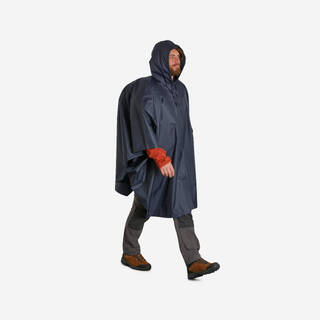
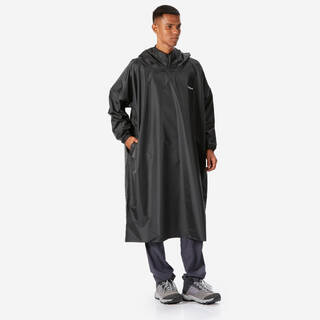

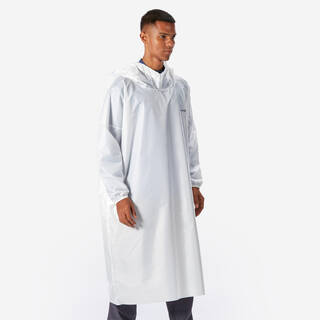
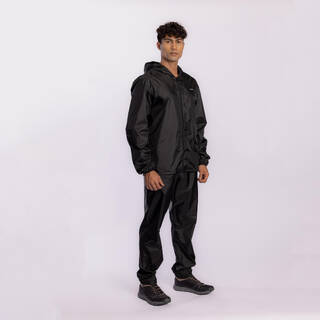


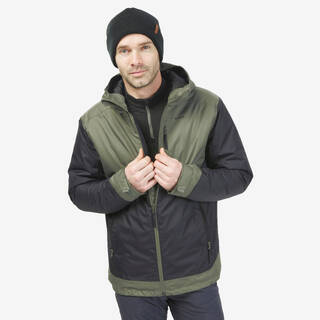
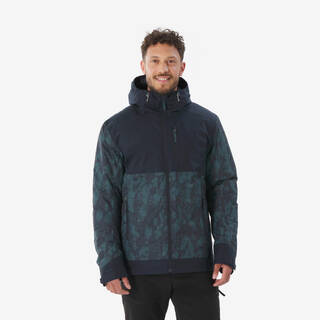
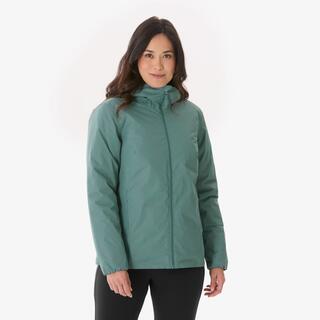
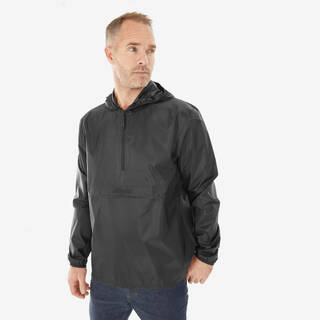
Buy Rain Jackets & Raincoats Online at Decathlon India | Waterproof Jackets for Men, Women & Kids
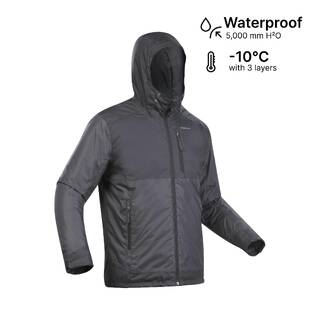
India's monsoon season brings heavy downpours, sudden showers, and high humidity that can soak through regular clothing in minutes. A quality rain jacket keeps you dry during your commute, outdoor treks, camping trips, or daily walks without the bulk of traditional raincoats. Decathlon India offers waterproof jackets and raincoats designed by Quechua and Forclaz, built to handle everything from light drizzles in Bangalore to heavy monsoon rains in Mumbai and Kerala. These jackets use coated fabrics with waterproof ratings measured in millimeters (mm), indicating how much water pressure the material can withstand before leaking. A 2000mm rating handles moderate rain, while 5000mm and above tackles intense downpours and extended exposure.
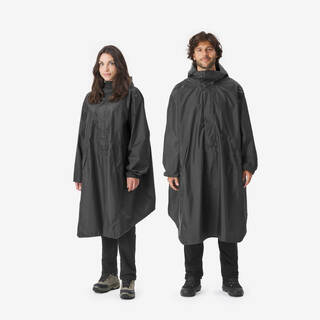
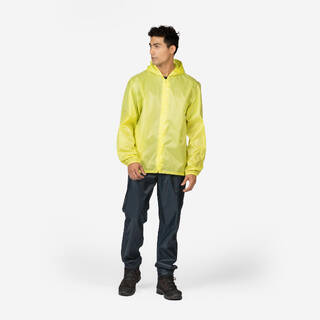
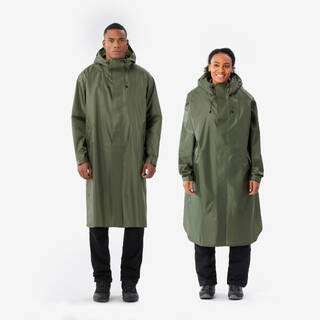
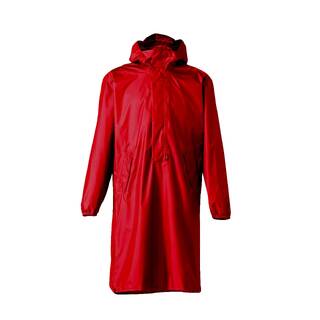
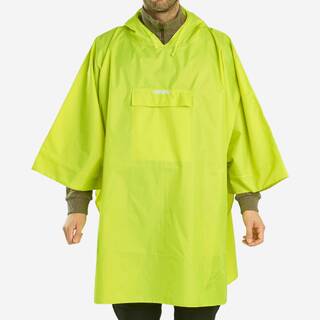
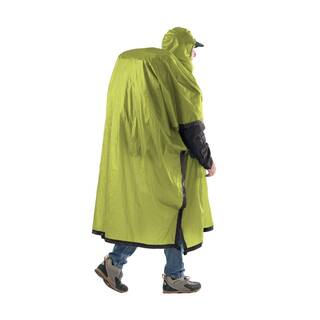
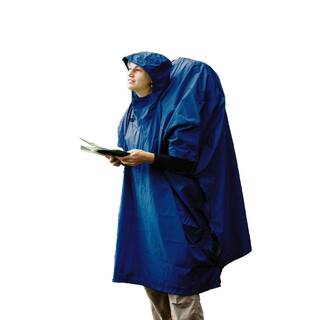
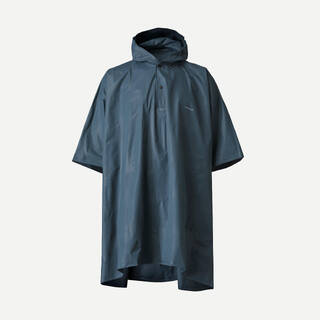
Our range includes lightweight packable jackets that fold into their own pockets for easy storage in backpacks, full-length raincoats with extended coverage for cycling or scooter rides, and breathable rain shells with ventilation zones to prevent sweat buildup during active use. Taped seams at stitching lines stop water from seeping through needle holes, while adjustable hoods, cuffs, and hem drawcords let you seal out wind-driven rain. We stock options for men, women, and kids across hiking, trekking, camping, and everyday urban use. Colours range from high-visibility bright tones for safety during foggy conditions to neutral shades for office commutes. Every jacket balances water protection with packability, so you stay prepared without carrying heavy, stiff material.
How to Choose the Right Rain Jacket for Your Needs
Start by identifying your primary use. Casual city use during light showers needs a simple coated polyester jacket with 2000mm to 3000mm waterproofing, a fixed or stowaway hood, and a compact fold design. Hiking and trekking in hill stations like Munnar, Coorg, or the Western Ghats require jackets rated 5000mm or higher, with fully taped seams, pit zips for ventilation, and durable ripstop fabric that resists tears from branches and rocks. Camping trips demand extended coverage, storm flaps over zippers, and reinforced shoulders to handle backpack straps without wearing through the coating.
Breathability matters as much as waterproofing in humid Indian conditions. Look for jackets with mesh-lined interiors, underarm vents, or back ventilation panels that allow moisture vapour from sweat to escape while blocking external rain. Without breathability, you end up damp from your own perspiration even if the rain stays out. Fit should allow layering underneath. A snug fit works for light drizzles, but if you plan to wear a fleece or hoodie beneath during cold mountain weather, size up or choose a relaxed cut. Adjustable features like velcro cuffs, elastic hems, and cinch-cord hoods help you customize the seal around your wrists, waist, and face. Packability is key for travel and daily carry. Jackets that compress into a small pouch or their own pocket take up minimal space in your bag and add no noticeable weight.
Waterproof Ratings and Fabric Technology Explained
Waterproof ratings are tested by measuring how tall a column of water the fabric can hold before it starts leaking, expressed in millimeters. A 2000mm rating means the fabric withstands a 2-meter column of water pressure, suitable for light to moderate rain over short durations. Ratings of 5000mm handle sustained heavy rain, while 10000mm and above are built for extreme conditions like multi-day treks in continuous downpours or high-altitude expeditions. Decathlon's Quechua jackets often feature coatings like polyurethane (PU) or durable water repellent (DWR) treatments that cause water to bead up and roll off the surface instead of soaking in.
Taped seams are critical. Even the most waterproof fabric leaks if stitching holes allow water through. Quality rain jackets have waterproof tape applied over every seam line, creating a continuous barrier. Check for fully taped seams on jackets intended for serious outdoor use, and critically taped seams (covering only high-exposure areas like shoulders and hood) on budget-friendly urban models. Breathable membranes or coatings allow water vapour from sweat to pass outward while blocking liquid rain from entering. This prevents the clammy, sticky feeling common in cheap plastic raincoats. Ventilation zippers under the arms or along the sides provide additional airflow during active movement like hiking uphill or cycling.
Rain Jackets for Hiking, Trekking, and Camping
Outdoor adventures in India's varied terrain require jackets that handle more than just rain. Forclaz and Quechua trekking jackets combine high waterproof ratings (5000mm to 10000mm) with abrasion-resistant ripstop fabric that survives contact with rocks, tree bark, and rough trails. Longer cuts provide coverage over your hips and lower back, protecting the top of your trousers and keeping rain from running down into your boots. Adjustable hoods fit over caps or helmets, and high collars shield your neck without restricting head movement.
Pit zips and back vents are essential for uphill climbs in humid conditions. Opening these zippers creates cross-ventilation that dumps excess heat and moisture without removing the jacket. Pockets should have waterproof zippers or storm flaps. Chest pockets keep maps, phones, and snacks accessible and dry, while hand pockets offer warmth during breaks. Reinforced shoulders and upper back handle the friction and weight of backpack straps over long distances. Reflective logos or strips improve visibility during early morning starts or late evening descents in low light. Packability remains important. Even heavy-duty trekking jackets should compress into a stuff sack that fits inside or straps onto your backpack, ready to deploy the moment clouds roll in.
Everyday Urban Rain Jackets for Commuting and Daily Use
City life demands rain protection that transitions smoothly between metro rides, office environments, and evening outings. Urban rain jackets prioritize style, packability, and quick-drying performance over extreme waterproofing. A 2000mm to 3000mm rating handles typical monsoon showers during your commute without the bulk or stiffness of heavy-duty outdoor shells. Lightweight polyester or nylon fabrics fold into compact pouches that slip into laptop bags, purses, or glove compartments, so you always have coverage when unexpected rain hits.
Neutral colours like black, navy, and grey suit professional settings, while brighter tones like red or yellow improve visibility for two-wheeler riders in heavy traffic and poor weather. Features like concealed hoods that tuck into the collar, zippered hand pockets for keys and wallets, and adjustable cuffs that fit over watch straps add convenience without outdoor-specific bulk. Quick-drying fabrics shake off water and dry within an hour indoors, so you're not stuck wearing a damp jacket all day. Breathable linings or mesh panels prevent overheating in air-conditioned buses and trains. These jackets work equally well for evening walks, weekend markets, or light outdoor activities like park visits and casual cycling.
Care and Maintenance Tips for Long-Lasting Waterproofing
Proper care extends the waterproof performance and lifespan of your rain jacket. After each use in wet conditions, shake off excess water and hang the jacket in a well-ventilated area to air dry. Avoid direct sunlight or high heat from radiators, as excessive heat can damage waterproof coatings and taped seams. Never store a damp jacket in a closed bag or cupboard, as trapped moisture encourages mildew growth and fabric degradation. For regular cleaning, follow the care label instructions. Most rain jackets tolerate gentle machine washing in cold water with mild detergent, but skip fabric softeners and bleach, which break down waterproof coatings.
Over time, the DWR treatment that causes water to bead up on the surface wears off from abrasion, dirt, and body oils. When you notice water soaking into the fabric instead of rolling off, it's time to reactivate or reapply the treatment. Tumble drying on low heat for 20 minutes or ironing on a low setting (with a cloth between the iron and jacket) can restore factory-applied DWR. For heavily worn jackets, spray-on or wash-in DWR products refresh the water-repellent finish. Inspect zippers, seams, and high-wear areas like elbows and shoulders regularly. Small tears or separated seams can be patched with seam sealer or repair tape before they worsen. Store jackets loosely hung or loosely folded in a cool, dry place. Avoid compressing them tightly for extended periods, as this can stress seams and coatings.
FAQ (Frequently Asked Questions)
Q1. What waterproof rating do I need for monsoon rains in Indian cities?
For typical monsoon showers in cities like Mumbai, Pune, or Kolkata, a jacket with 2000mm to 3000mm waterproofing handles most daily rain during commutes and short outdoor exposure. If you spend extended time outdoors, ride a two-wheeler in heavy rain, or trek in hill stations during monsoon, choose jackets rated 5000mm or higher with fully taped seams for reliable protection against sustained downpours.
Q2. How do I prevent feeling sweaty inside a waterproof jacket in humid weather?
Look for jackets with breathable coatings or membranes that allow sweat vapour to escape while blocking rain. Ventilation features like underarm zippers, back vents, or mesh linings improve airflow during active use. Avoid cheap plastic raincoats that trap all moisture inside. Opening front zippers partially and using pit zips when moving uphill or cycling also helps regulate temperature and reduce internal condensation.
Q3. Can I use the same rain jacket for trekking and daily city commutes?
Yes, but prioritize your primary use. A versatile mid-range jacket with 3000mm to 5000mm waterproofing, taped seams, and a packable design works for both light treks and urban commutes. Dedicated trekking jackets offer higher waterproofing, reinforced fabric, and ventilation features that may feel excessive for city use, while ultra-lightweight urban jackets lack the durability and coverage needed for serious outdoor trails.
Q4. How should a rain jacket fit for comfortable layering underneath?
The jacket should allow enough room to wear a t-shirt or light fleece underneath without restricting arm movement or creating tightness across the chest and shoulders. Try the jacket with your typical layering clothing before buying. Adjustable cuffs, hems, and hoods let you fine-tune the fit and seal out rain even with extra layers. If you plan to wear thick fleeces or hoodies in cold mountain weather, size up or choose a relaxed fit model.
Q5. How do I know when my rain jacket needs waterproofing treatment?
When water stops beading up and rolling off the surface and instead soaks into the fabric, the DWR treatment has worn off. The jacket may still be waterproof underneath, but the wet outer layer feels heavy and clammy. Wash the jacket according to care instructions, then tumble dry on low heat or iron gently to reactivate the treatment. If that doesn't restore water repellency, apply a spray-on or wash-in DWR product designed for technical outerwear.
Q6. Are Decathlon rain jackets suitable for kids during school commutes and outdoor activities?
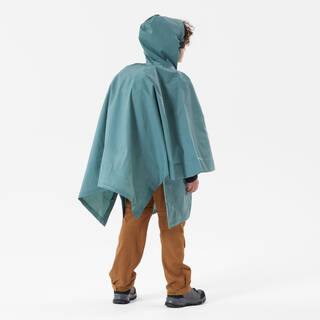
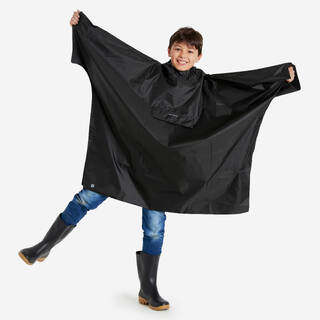
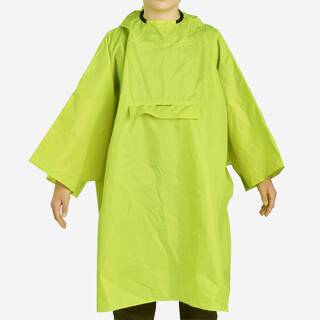
Yes, Decathlon offers rain jackets specifically designed for kids with age-appropriate sizing, lightweight fabrics, and easy-to-use features like simple zipper pulls and adjustable hoods. These jackets handle school commutes, park visits, and family treks with waterproof ratings between 2000mm and 5000mm. Bright colours and reflective details improve visibility in traffic and low light. Packable designs fit easily into school bags, so kids stay prepared for sudden showers without carrying bulky raincoats.