Raincoat and Rain Jackets



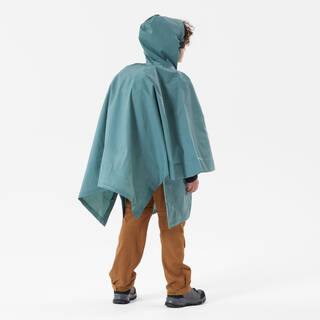


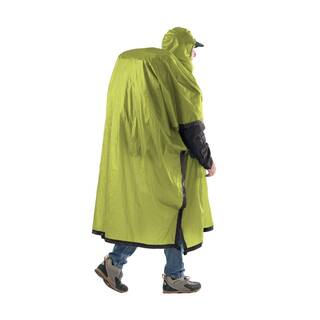


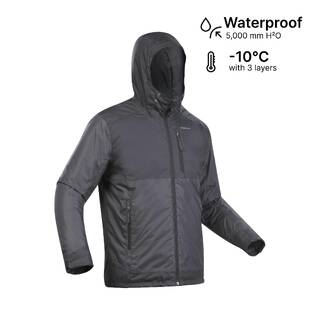
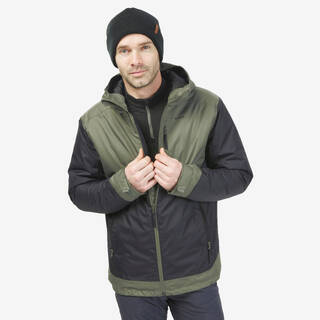

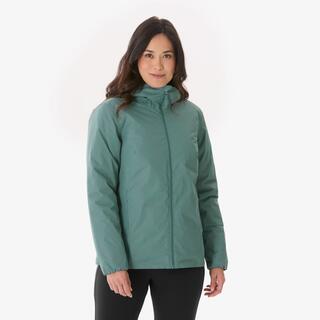

Waterproof Membrane Technology and Hydrostatic Head Ratings for Indian Monsoon Conditions
Rain jackets engineered for Indian monsoon exposure rely on hydrostatic head ratings measured in millimeters of water column pressure. A 5,000mm coating handles moderate drizzle and light showers. A 10,000mm polyurethane laminate withstands sustained downpours across Kerala, Assam, and Western Ghats regions. Quechua rain jackets deploy 2,000mm to 15,000mm coatings depending on trekking altitude and storm intensity. The membrane blocks external water penetration while managing internal vapor buildup through microporous structures.
Seam taping determines real-world waterproofness. Fully taped seams seal every stitch line with thermoplastic polyurethane tape, preventing capillary wicking along needle holes. Critical stress zones (shoulder seams, hood attachment points, zipper flaps) require reinforced taping widths of 20mm or greater. Forclaz mountain jackets integrate welded seam construction, eliminating thread penetration entirely. Ultrasonic bonding fuses fabric layers without mechanical stitching, delivering absolute impermeability for high-altitude Himalayan expeditions where sustained sleet and freezing rain demand zero moisture ingress.
Breathability Metrics and Moisture Vapor Transmission Rates During High-Humidity Trekking
Breathability in rain jackets is quantified through Moisture Vapor Transmission Rate (MVTR), measured in grams per square meter per 24 hours (g/m²/24h). A basic polyurethane coating delivers 3,000 to 5,000 g/m²/24h, adequate for low-intensity urban commuting. Technical trekking shells require 10,000 to 20,000 g/m²/24h to evacuate sweat vapor during steep Himalayan ascents or humid Western Ghats trails. Quechua's coated fabrics balance waterproofing with ventilation through hydrophilic polymer chains that absorb internal moisture and release it externally via concentration gradients.
Mechanical venting systems supplement membrane breathability. Underarm gusset zippers create cross-flow ventilation channels, expelling trapped heat and humid air during high-exertion climbs. Back panel mesh linings provide air gaps between shell fabric and torso skin, accelerating evaporative cooling. Forclaz alpine jackets incorporate laser-cut perforations in low-exposure zones (upper back, side panels) to boost airflow without compromising rain protection. Adjustable hem drawcords and cuff closures regulate internal airflow, preventing convective heat loss during stationary rest periods while enabling rapid vapor escape during active movement.
Fabric Weight, Packability, and Ripstop Denier Construction for Backpack Portability
Ultralight rain shells weigh 180 to 250 grams, constructed from 20 to 30 denier ripstop nylon or polyester. The ripstop grid weave integrates thicker reinforcement threads at 5mm intervals, arresting tear propagation from snags on rocky outcrops or thorny vegetation. Quechua's packable jackets compress into integrated stuff sacks measuring 15cm x 10cm, fitting inside daypack side pockets or hydration bladder compartments. Fabric thickness balances abrasion resistance with packability. A 40 denier face fabric withstands repeated compression cycles and branch contact during dense forest navigation.
Heavier expedition shells use 70 to 100 denier fabrics, prioritizing durability over pack weight for multi-day Himalayan treks. Reinforced shoulder zones and elbow patches employ 210 denier Cordura overlays, resisting abrasion from loaded backpack straps and ice axe holsters. Forclaz mountaineering jackets integrate triple-layer laminate construction: outer face fabric, waterproof membrane, and inner protective lining bonded into a single composite. This architecture eliminates delamination failures common in cheaper two-layer designs where membrane separates from face fabric after repeated flexing and temperature cycling.
Hood Engineering, Visor Stiffness, and Peripheral Vision Optimization for Trail Safety
Hood design directly impacts safety during technical descents and boulder navigation. A properly engineered hood rotates with head movement, maintaining forward and peripheral vision without fabric obstruction. Wire-reinforced visor brims hold shape in driving rain and high winds, preventing collapse onto forehead and eyes. Quechua hoods incorporate three-point adjustment systems: rear volume drawcord, temple-level side pulls, and front visor wire. This geometry keeps the hood stable during rapid head turns while scanning trail markers or assessing route options on exposed ridges.
Visor projection depth ranges from 6cm for urban shells to 10cm for alpine models. Extended visors shield eyeglasses from direct rain impact, critical for trekkers dependent on corrective lenses in remote regions. Helmet-compatible hoods expand to fit over climbing helmets or cycling helmets, with rear drawcord systems that cinch around helmet base without lifting off. Forclaz technical shells feature laminated visor construction, bonding stiffening layers between fabric plies to maintain projection angle even when saturated. Reflective trim along hood edges enhances visibility during low-light monsoon conditions or early-morning trail starts.
Zipper Systems, Storm Flaps, and Closure Mechanisms for Wind-Driven Rain Protection
YKK AquaGuard zippers integrate polyurethane-coated zipper tape, creating a water-resistant barrier along the closure line. Storm flaps overlay the main zipper with an additional fabric baffle, secured via snap buttons or hook-and-loop strips. This double-barrier system prevents wind-driven rain from penetrating through zipper teeth gaps during exposed ridge traverses or coastal monsoon squalls. Quechua jackets position storm flaps on the exterior, allowing one-handed operation while maintaining grip on trekking poles or rock holds.
Two-way zippers enable bottom-up venting, releasing trapped heat from the torso while keeping chest and shoulder zones sealed against rain. Chin guards at zipper termination points use soft fleece or microfiber facings to prevent metal pull tab chafing during extended wear. Forclaz expedition models deploy waterproof zippers with welded construction, eliminating storm flaps entirely through integrated sealing mechanisms. Chest pockets and hand pockets use reverse-coil zippers with internal drainage channels, allowing any moisture ingress to exit through bottom grommet holes rather than saturating pocket contents or stored electronics.
Fit Profiles, Articulated Patterning, and Layering Compatibility for Multi-Season Mountain Use
Rain jacket fit determines layering capacity and movement freedom. Slim-fit urban shells accommodate only a base layer and light midlayer, suitable for monsoon commuting or low-altitude day hikes. Regular-fit trekking jackets provide room for 200-weight fleece midlayers and insulated vests, essential for variable Himalayan weather where morning sun gives way to afternoon thunderstorms. Quechua's sizing charts specify chest and sleeve measurements with layering allowances, ensuring proper shell function over expedition-weight insulation during high-altitude crossings.
Articulated sleeve patterning pre-shapes fabric to natural arm curvature, reducing fabric bunching at elbows during trekking pole use or scrambling. Gusseted underarms integrate diamond-shaped fabric panels, eliminating shoulder lift and improving overhead reach for high-step boulder moves or gear retrieval from pack top pockets. Forclaz alpine jackets extend rear hem length by 5 to 8cm compared to front hem, maintaining lower back coverage when bent forward during steep ascents or when wearing hip belts under heavy loads. Adjustable cuff closures use hook-and-loop tabs or elastic drawcords, sealing wrist openings around glove cuffs to prevent rain channeling down forearms during extended arm reach or ice axe self-arrest positions.
FAQ (Frequently Asked Questions)
Q1. Should you purchase Rain Coats or Rain Jackets?
There are usually two types of persons - the typical bike (or bicycle) rider, for example, should have both a rain jacket and rain pants. Secondly, for individuals who travel primarily by car or on foot, a trench-style long raincoat or a fisherman-type raincoat would be an excellent choice.
Q2. How do you choose colors for raincoats?
When it comes to raincoats and jackets, neutral hues such as black, grey, and beige are preferable because they go with most outfits and are highly utilitarian. If you want something more trendy, go for dark blues, reds, and other similar colors.
Q3. Is it better to have a raincoat with pockets or one without?
Investing in a raincoat or jacket with one or more internal pockets to keep your phone, wallet, and keys dry and safe is well worth the money.
Q4. What hydrostatic head rating do I need for monsoon trekking in the Western Ghats or Northeast India?
For sustained monsoon exposure in high-rainfall regions like the Western Ghats, Meghalaya, or Arunachal Pradesh, select jackets with minimum 10,000mm hydrostatic head ratings. This coating withstands continuous downpours lasting multiple hours without moisture penetration. Fully taped seams are essential, as untaped or critically taped seams allow water wicking through needle holes during prolonged rain.
Q5. How do I choose between a packable ultralight shell and a heavier expedition rain jacket?
Packable shells weighing 180 to 250 grams suit day hikes, emergency rain protection, and multi-activity travel where pack space is limited. Expedition jackets using 70 to 100 denier fabrics provide superior abrasion resistance for multi-day treks with loaded backpacks, rocky terrain contact, and repeated compression cycles. If your pack weight exceeds 12kg or routes involve off-trail scrambling, prioritize durability over packability.
Q6. Can I wear a rain jacket during high-intensity trail running or will I overheat from trapped moisture?
High-exertion activities generate 400 to 600 watts of metabolic heat, overwhelming basic polyurethane coatings rated below 5,000 g/m²/24h MVTR. Select jackets with 10,000+ g/m²/24h breathability ratings and mechanical venting features like underarm zippers or back panel mesh linings. These systems evacuate internal vapor while maintaining waterproof protection during monsoon trail runs or fast-paced mountain approaches.
Q7. What is the difference between 2-layer, 2.5-layer, and 3-layer rain jacket construction?
Two-layer construction bonds waterproof membrane to outer fabric, with a separate loose liner protecting the membrane. This design offers good breathability but adds weight. 2.5-layer jackets apply a thin protective coating directly to the membrane interior, reducing weight and pack size for ultralight applications. Three-layer laminates bond outer fabric, membrane, and inner lining into one composite, delivering maximum durability and abrasion resistance for technical mountaineering and heavy backpack use.
Q8. How do I maintain waterproof performance after multiple wash cycles and extended use?
Wash rain jackets in front-loading machines using technical fabric detergents that do not leave residue. Tumble dry on low heat or iron on synthetic setting to reactivate Durable Water Repellent (DWR) coatings. When water no longer beads on the fabric surface, apply spray-on or wash-in DWR treatments following manufacturer instructions. Store jackets loosely hung or loosely folded to prevent permanent creasing that can damage waterproof membranes.
Q9. Are Quechua rain jackets suitable for Himalayan treks above 4,000 meters altitude?
Quechua offers both entry-level shells for moderate monsoon protection and technical Forclaz models engineered for high-altitude Himalayan conditions. For treks above 4,000 meters, select Forclaz jackets with 15,000mm+ waterproof ratings, helmet-compatible hoods, and reinforced high-wear zones. These models withstand freezing rain, sustained sleet, and high-wind exposure common on passes like Rohtang, Khardung La, or Goecha La.
Q10. What fit adjustments should I make when wearing a rain jacket over insulated layers?
Size up one increment if you plan to layer 200-weight fleece or insulated jackets underneath. Check that shoulder seams sit at natural shoulder points even with midlayers worn, and sleeve length extends to wrist bone when arms are bent. Adjust hem drawcords and cuff closures after donning all layers to seal openings without restricting circulation or movement range during climbing or scrambling.
Q11. How do I prevent condensation buildup inside the jacket during long monsoon hikes?
Open underarm vents and loosen cuff and hem adjustments to increase airflow during high-exertion sections. Reduce layering to the minimum required for thermal comfort, as excess insulation traps metabolic moisture. During rest stops, fully unzip the jacket to purge accumulated vapor. Select jackets with MVTR ratings above 10,000 g/m²/24h for humid conditions, and avoid wearing waterproof shells during low-intensity activity when a water-resistant softshell provides adequate protection with better breathability.
Q12. Can I use the same rain jacket for cycling commutes and trekking, or do I need activity-specific designs?
Cycling-specific rain jackets feature extended rear hems for coverage in forward-leaning positions, elastic waist grippers to prevent ride-up, and reflective elements for road visibility. Trekking shells prioritize backpack strap compatibility, hip belt clearance, and helmet-compatible hoods. If you need one jacket for both activities, choose a regular-fit trekking shell with adjustable hem drawcords and ensure sleeve length does not bunch when gripping handlebars in a cycling position.
Q13. What are the signs that my rain jacket's waterproof coating has failed and needs replacement?
Waterproof failure manifests as fabric wetting out (surface saturation rather than water beading), moisture penetration through previously sealed seams, or delamination where the membrane separates from face fabric causing bubbling or peeling. If DWR retreatment and proper washing do not restore water repellency, and you observe moisture on inner garments after rain exposure, the membrane or coating has degraded beyond field repair and the jacket requires replacement.